AI Skin Analysis Is Reshaping Beauty OEM: From Selfie to Shelf
In the competitive beauty industry, personalization is no longer a luxury—it's an expectation. The rise of AI skin analysis is fundamentally reshaping beauty OEM, enabling brands to deliver tailored products at scale. For brand owners and procurement managers, understanding this shift is critical. This guide, based on the topic 撰写《AI Skin Analysis Is Reshaping Beauty OEM: From Selfie to Shelf》选题,定位为品牌方解读AI测肤如何影响产品开发与OEM定制流程, explores how AI-driven customization is revolutionizing product development and OEM workflows. Whether you're launching a DTC brand or expanding an existing line, this article will help you navigate the new landscape.
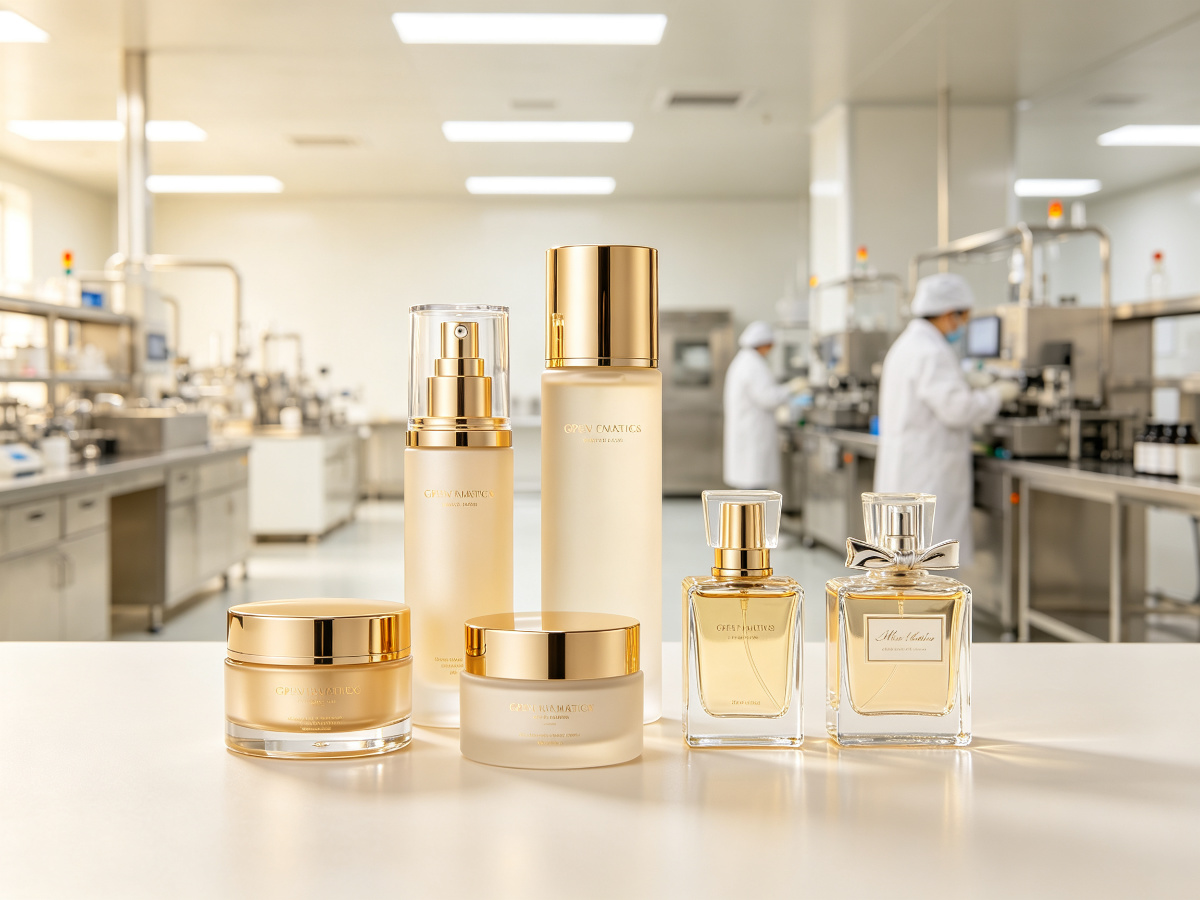
Why AI Skin Analysis Matters for Beauty OEM
AI skin analysis uses algorithms to assess skin type, concerns, and conditions from a simple selfie. This technology provides brands with unprecedented insights into consumer needs, enabling hyper-personalized product recommendations and formulations. For OEM manufacturers, integrating AI means moving beyond one-size-fits-all production to agile, data-driven customization. This shift is not just a trend—it's a fundamental change in how beauty products are conceived, developed, and manufactured.
At wyoem, we've seen firsthand how AI-driven customization is transforming the OEM landscape. Brands that embrace this technology can differentiate themselves, reduce inventory waste, and build deeper customer loyalty. The journey from selfie to shelf is now faster, smarter, and more consumer-centric.
How AI Skin Analysis Impacts Product Development
Traditionally, product development relied on broad market research and focus groups. AI skin analysis changes this by providing real-time, individualized data. Brands can now identify micro-trends, predict demand for specific ingredients, and even co-create products with consumers. For OEM partners, this means greater flexibility in formulation and smaller batch sizes, often with MOQs starting at 1,000 units for customized lines.
Moreover, AI can recommend ingredient combinations that target specific concerns, such as hyperpigmentation or acne, leading to more effective products. This data-driven approach reduces the risk of failed launches and accelerates time-to-market. Lead times for AI-informed custom formulations typically range from 4 to 8 weeks, depending on complexity.
Integrating AI into Your OEM Customization Process
To leverage AI skin analysis, brands must collaborate closely with their OEM manufacturer. Here's how to integrate AI into your customization process:
- Select an AI Platform: Choose a skin analysis tool that aligns with your brand ethos and target audience. Popular options include Perfect Corp, ModiFace, and Revieve.
- Data Integration: Ensure your OEM can receive and interpret the data. This may involve API integration or shared dashboards.
- Formulation Flexibility: Work with your OEM to develop a modular formulation system that allows for easy adjustments based on AI insights.
- Packaging Personalization: Consider custom labeling or QR codes that link to personalized routines.
- Regulatory Compliance: Verify that your OEM adheres to ISO 22716, GMP, and FDA guidelines for customized products.
For a deeper dive into selecting the right partner, see our guide on How to Choose a Skincare OEM Manufacture.
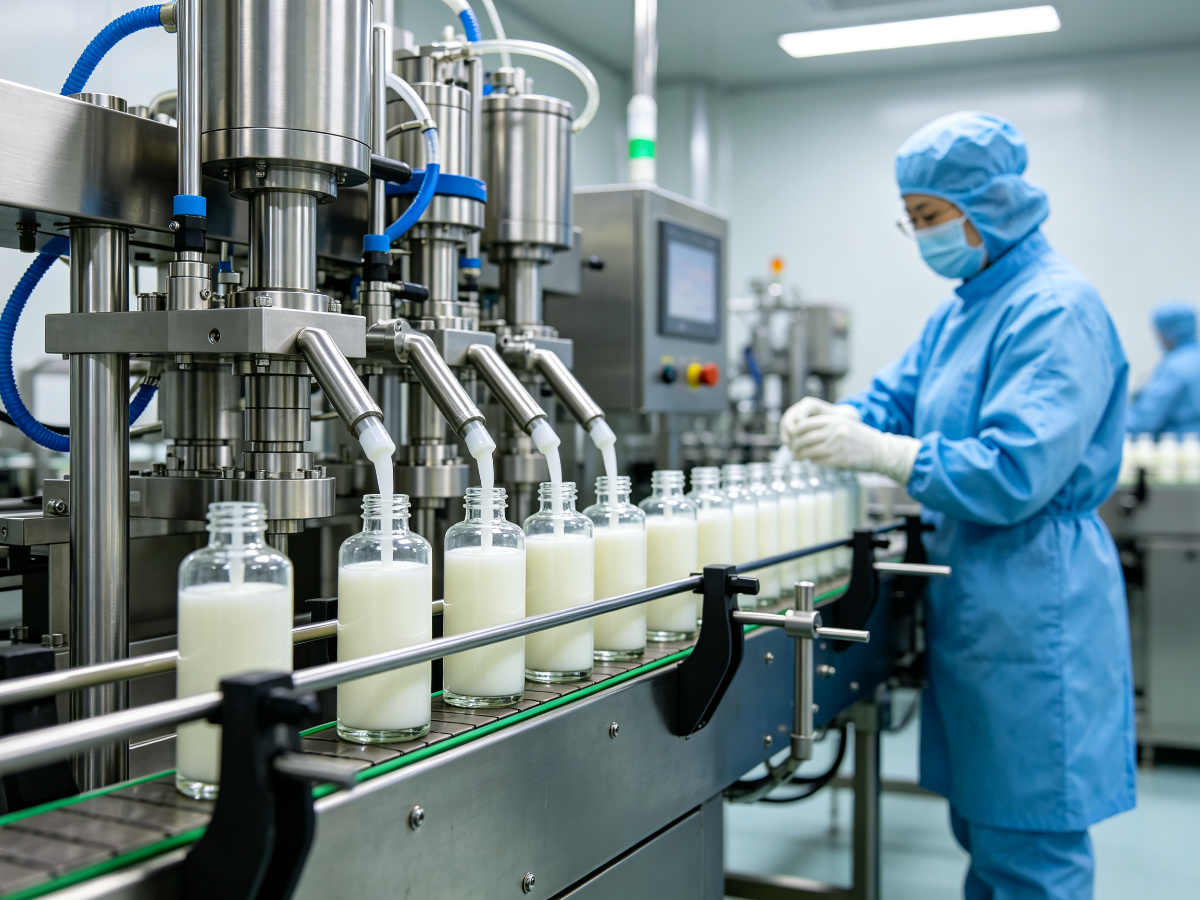
Key Factors for AI-Driven OEM Partnerships
Not all OEM manufacturers are equipped for AI-driven customization. Here are the key factors to evaluate:
| Factor | What to Look For |
|---|---|
| Technical Capability | Experience with data integration, modular formulations, and small-batch production. |
| Certifications | ISO 22716, GMP, FDA registration, and relevant safety assessments. |
| MOQ Flexibility | Ability to handle MOQs as low as 500-1,000 units for personalized lines. |
| Lead Times | Realistic timelines for custom development, typically 4-8 weeks. |
| Cost Structure | Transparent pricing that accounts for R&D, small batches, and packaging. |
At wyoem, we offer AI-driven customization as part of our new brand incubation services. Our team helps brands interpret AI data and translate it into market-ready products. Learn more on our Knowledge Center.
How to Choose an OEM Partner for AI Customization
Choosing the right OEM partner is crucial for success. Follow these steps:
- Assess Their AI Readiness: Ask about their experience with AI tools and data integration.
- Review Their Portfolio: Look for brands they've helped launch with personalized products.
- Check Certifications: Ensure they meet international standards like ISO 22716 and GMP.
- Discuss MOQs and Lead Times: Clarify minimum order quantities and production timelines.
- Evaluate Communication: Ensure they can collaborate effectively with your AI platform providers.
- Request Samples: Test their ability to produce customized formulations at scale.
For a comprehensive checklist, read How to Verify Cosmetics OEM Factory Qual.
Common Mistakes to Avoid
Brands often stumble when integrating AI into OEM. Avoid these pitfalls:
- Overcomplicating Formulations: Keep it simple; AI should enhance, not complicate.
- Ignoring Data Privacy: Ensure consumer data is handled securely and in compliance with GDPR.
- Underestimating Costs: AI customization may involve higher upfront R&D costs.
- Choosing the Wrong Partner: Not all OEMs can handle the flexibility required.
- Skipping Regulatory Checks: Customized products still need to meet safety and labeling regulations.
Learn from successful brand launches in our article From Monday Haircare to 20 Brands: How O.
Questions to Ask Your OEM Supplier
Before committing, ask these questions:
- What is your experience with AI skin analysis integration?
- Can you handle small-batch production for personalized lines? What are your MOQs?
- What certifications do you hold? (ISO 22716, GMP, FDA)
- How do you ensure data security and privacy?
- What are typical lead times for custom formulations?
- Can you provide references from brands using AI customization?
- How do you price AI-driven customization?
For more insights, see How to Partner with the Leading Cosmetic.
Conclusion: The Future of Beauty OEM Is AI-Driven
AI skin analysis is not just a passing fad—it's the future of beauty OEM. By embracing AI-driven customization, brands can deliver personalized experiences that resonate with modern consumers. The journey from selfie to shelf is now more efficient, data-driven, and consumer-centric. As you consider your OEM strategy, remember the key takeaway from 撰写《AI Skin Analysis Is Reshaping Beauty OEM: From Selfie to Shelf》选题,定位为品牌方解读AI测肤如何影响产品开发与OEM定制流程: success lies in choosing a partner who understands both technology and manufacturing. At wyoem, we're here to help you navigate this exciting frontier. Contact Us today to discuss how we can support your AI-driven beauty brand.
For product catalog, quotation, or sampling, please contact us
Contact: SIGE
Email: 27005046@qq.com
WhatsApp / WeChat: +86 15622220825
Website: www.wyoem.com | Main site: www.8OEM.com