Cosmetics Contract Manufacturing: A 2026 Buyer's Guide for Global Brands
Cosmetics contract manufacturing is the engine that turns a brand vision into shelves full of products. For global brand owners and procurement managers, the process is both opportunity and minefield: done right, it delivers quality, speed, and scale; done poorly, it drains budgets and delays launches. This guide walks you through the 2026 landscape, from MOQ planning to supplier vetting, with actionable steps to secure the right partner.
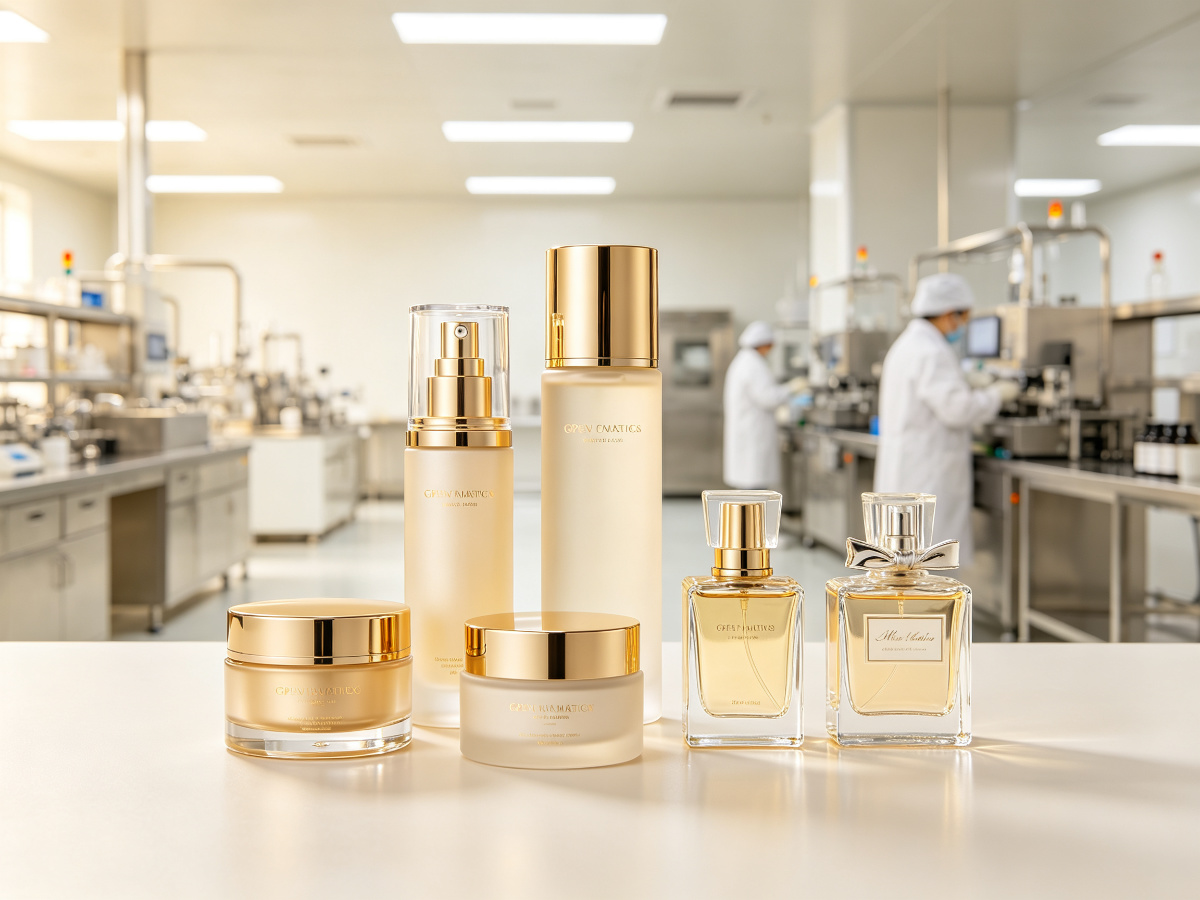
Whether you are an entrepreneur launching a niche perfume line or a procurement manager sourcing a full skincare range, understanding the intricacies of cosmetics contract manufacturing is non-negotiable. Let's break down what you need to know.
Key Factors in Cosmetics Contract Manufacturing
Before diving into supplier selection, you must grasp the variables that shape cost, timeline, and quality. These factors apply whether you are exploring skincare OEM private label or custom color cosmetics.
1. MOQ (Minimum Order Quantity)
MOQs vary widely by product type and supplier. For skincare, typical MOQs range from 3,000 to 10,000 units per SKU. Makeup like lipstick or mascara often starts at 5,000–12,000 units. Perfume, due to alcohol regulations and component costs, may require 10,000–20,000 units. Some manufacturers, especially those targeting startups, offer lower MOQs (1,000–3,000) but at higher unit costs. Plan your first order to balance cash flow with the need for competitive pricing.
2. Lead Times
Standard lead times for contract manufacturing are 30–60 days after sample approval and deposit. Complex formulations, custom packaging, or peak season (e.g., pre‑holiday) can extend this to 90 days. Always add buffer for shipping and customs. A reliable partner will provide a detailed timeline upfront.
3. Certifications and Compliance
Certifications are your safety net. Look for ISO 22716 (GMP for cosmetics), FDA registration (for US market), and ISO 9001. For EU, CPNP registration is mandatory. Additional certifications like ECOCERT or Leaping Bunny can boost marketability. Verify certificates directly with the issuing body.
4. Pricing Factors
Unit price depends on formula complexity, packaging, order volume, and ingredient sourcing. For example, a basic moisturizer might cost $1.50–$3.00 per unit, while a serum with premium actives could be $5.00–$12.00. Packaging can account for 30–50% of total cost. Always request a breakdown.
5. Custom Formulation vs. Stock Formulas
Custom formulations offer exclusivity but require higher MOQs and longer R&D. Stock formulas (private label) are faster and cheaper but less unique. Many brands start with stock and transition to custom as they scale. For a deeper dive, see How a Skincare Custom Formulation Manufa.
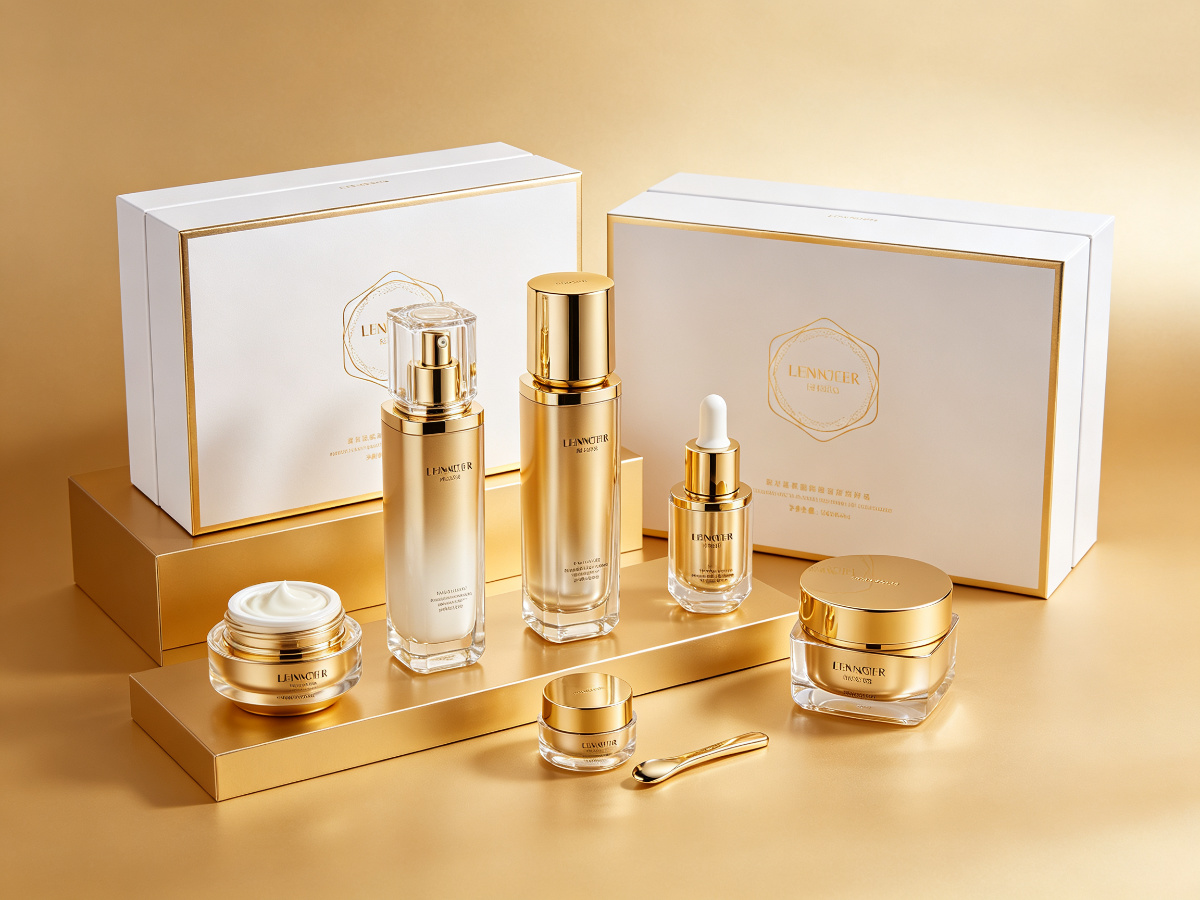
How to Choose a Cosmetics Contract Manufacturer
Choosing the right partner is critical. Here is a step-by-step approach.
Step 1: Define Your Requirements
Outline your product category, target price point, volume, timeline, and any special claims (vegan, organic, etc.). This clarity will streamline your search.
Step 2: Shortlist Potential Suppliers
Use industry directories, trade shows (e.g., Cosmoprof), and referrals. For those considering top cosmetics OEM suppliers in China, platforms like Alibaba can be a starting point, but vetting is crucial. Also explore regional suppliers for faster shipping and lower MOQs.
Step 3: Evaluate Capabilities
Request their product catalog, client list (if permissible), and facility audit reports. Ask about in-house capabilities: do they formulate, fill, and package? Or do they outsource? A vertically integrated manufacturer like wyoem can reduce lead times and quality risks.
Step 4: Request Samples
Always test samples before committing. Evaluate texture, scent, stability, and packaging quality. For color cosmetics, check pigmentation and wear. For perfume, assess sillage and longevity.
Step 5: Audit and Negotiate
Conduct a factory audit (on-site or via video). Discuss MOQs, pricing tiers, payment terms (typically 30% deposit, 70% before shipment), and exclusivity. Ensure your contract covers IP protection, quality standards, and penalties for delays.
For a comprehensive checklist, refer to How to Choose a Skincare OEM Factory in .
Common Mistakes to Avoid
- Underestimating MOQs: Ordering too little can lead to high unit costs; too much ties up capital. Start with a manageable volume and scale.
- Ignoring Certifications: Missing ISO 22716 or FDA can block market entry. Always verify.
- Skipping Samples: Assuming a formula will work without testing is risky. Always validate.
- Overlooking Packaging: Packaging delays are common. Source components early and confirm compatibility.
- Choosing Solely on Price: The cheapest option may cut corners on quality or compliance. Balance cost with reliability.
Questions to Ask Potential Suppliers
When vetting a manufacturer, ask these questions to uncover red flags:
- What are your MOQs for [your product]? Can they be negotiated?
- What is your typical lead time from sample approval to delivery?
- Which certifications do you hold? Can you provide copies?
- Do you offer custom formulation? What is the R&D timeline?
- What are your payment terms? Do you require a deposit?
- Can you handle packaging sourcing and decoration?
- What is your process for quality control and batch testing?
- Do you have experience with [your target market] regulations?
- Can you provide references from similar brands?
- What is your policy on IP and exclusivity?
For startups, finding the best skincare OEM manufacturer for startups often means prioritizing flexibility and support over the lowest price. Look for suppliers that offer low MOQs, guidance on formulation, and scalable solutions.
Conclusion
Cosmetics contract manufacturing is a strategic partnership that can make or break your brand. By understanding MOQs, lead times, certifications, and pricing, and by asking the right questions, you can avoid common pitfalls and secure a manufacturer that aligns with your vision. Whether you are launching a niche perfume line or a full skincare range, thorough due diligence is your best investment. For more insights, explore our Knowledge Center or Contact Us to discuss your project. At wyoem, we specialize in OEM/ODM services for perfume, skincare, makeup, and personal care, helping brands from concept to shelf. Visit our Home page to learn more.
For product catalog, quotation, or sampling, please contact us
Contact: SIGE
Email: 27005046@qq.com
WhatsApp / WeChat: +86 15622220825
Website: wyoem.com