How to Choose a Cosmetics OEM Supplier for International Brands in 2026
Finding a reliable cosmetics OEM supplier for international brands is the single most important decision you will make when launching or scaling a beauty brand. Whether you are an entrepreneur with a bold new skincare concept or a procurement manager sourcing for an established label, your manufacturing partner determines your product quality, compliance, speed to market, and ultimately your brand reputation. This guide walks you through the entire process—from verifying factory credentials to planning your first MOQ—so you can choose wisely and launch successfully in 2026.
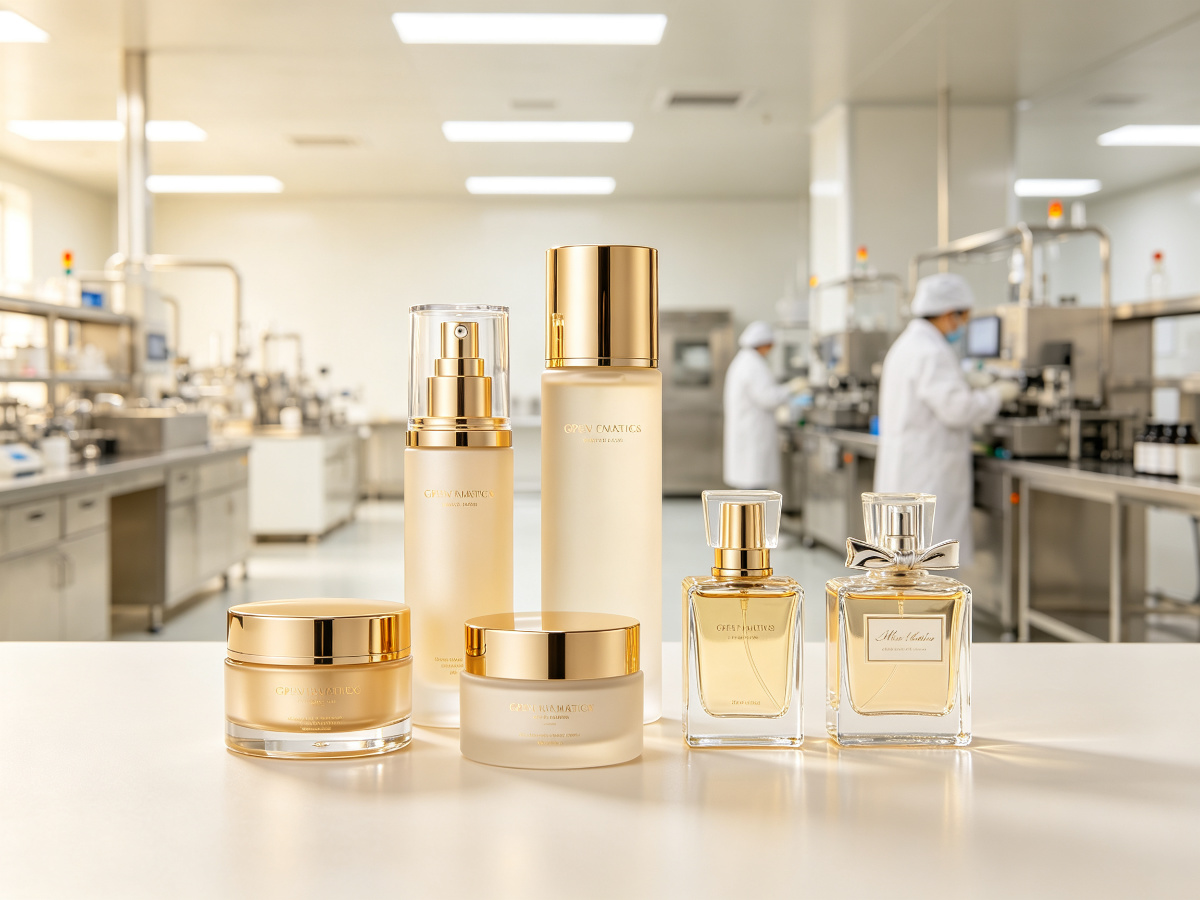
Why the Right OEM Partner Matters for International Brands
International brands face unique pressures: diverse regulatory environments, demanding retail buyers, and consumers who expect transparency and efficacy. A cosmetics OEM supplier for international brands must not only manufacture products but also provide documentation, certifications, and formulation expertise that satisfy markets from the EU to North America and the Middle East.At wyoem, we have seen firsthand how the wrong partner can delay launches by months or cause costly reformulations. The right partner becomes an extension of your team, offering proactive advice on ingredients, packaging, and compliance.
Key Factors to Evaluate in a Cosmetics OEM Supplier
1. Certifications and Compliance
Certifications are non-negotiable. Look for ISO 22716 (Good Manufacturing Practices for cosmetics), GMP, and FDA registration if you plan to sell in the United States. For the EU, the supplier must comply with EC No. 1223/2009 and provide a Cosmetic Product Safety Report (CPSR). A reputable skincare OEM manufacturer will have these documents ready for review and will guide you through region-specific requirements.
2. Formulation Capabilities and Innovation
Does the supplier offer a library of proven formulations, or can they develop custom formulas? For niche perfume custom manufacturing, you need a partner with perfumers on staff and access to high-quality fragrance oils. For makeup private label programs—lipstick, foundation, mascara—you need color matching expertise and a variety of textures and finishes. Ask about their R&D team, equipment, and average development timeline (typically 4–8 weeks for custom formulations).
3. MOQ and Lead Times
Minimum order quantities (MOQs) vary widely. For skincare, MOQs often range from 3,000 to 10,000 units per SKU; for color cosmetics, 5,000 to 12,000 units; for perfume, 2,000 to 5,000 units. Lead times after sample approval are usually 30–45 days for production, plus 15–30 days for packaging procurement. If a supplier promises extremely low MOQs with no setup fees, be cautious—it may indicate poor quality control or hidden costs.
4. Packaging Design and Decoration
Packaging is a critical brand differentiator. A full-service OEM supplier should offer in-house or partnered decoration services: silk screening, hot stamping, spray coating, labeling, and custom mold development. Ask for their packaging sourcing network and whether they can handle secondary packaging like boxes and inserts.
5. Quality Control and Testing
How does the factory ensure consistency? Look for in-house microbiology and stability testing labs, batch records, and a documented QC process. Third-party testing (e.g., SGS, Intertek) should be available upon request. This is a core part of how to verify cosmetics OEM factory quality—do not skip it.
How to Verify Cosmetics OEM Factory Quality
Verification goes beyond a certificate on a wall. Here is a practical checklist:
- Request an audit report or schedule a virtual tour: Ask for a recent third-party audit (e.g., ISO 22716, GMP) and a live video walkthrough of the production floor.
- Check raw material sourcing: Suppliers should have qualified vendor lists and traceability for key ingredients.
- Review sample consistency: Order samples from different production batches to check color, scent, and texture consistency.
- Ask for references: Speak with existing clients, especially those in your target market.
- Evaluate communication: A good supplier responds promptly and transparently to technical questions.
For a deeper dive, see our guide on How to Find the Best Cosmetics OEM for H—the principles apply across all categories.
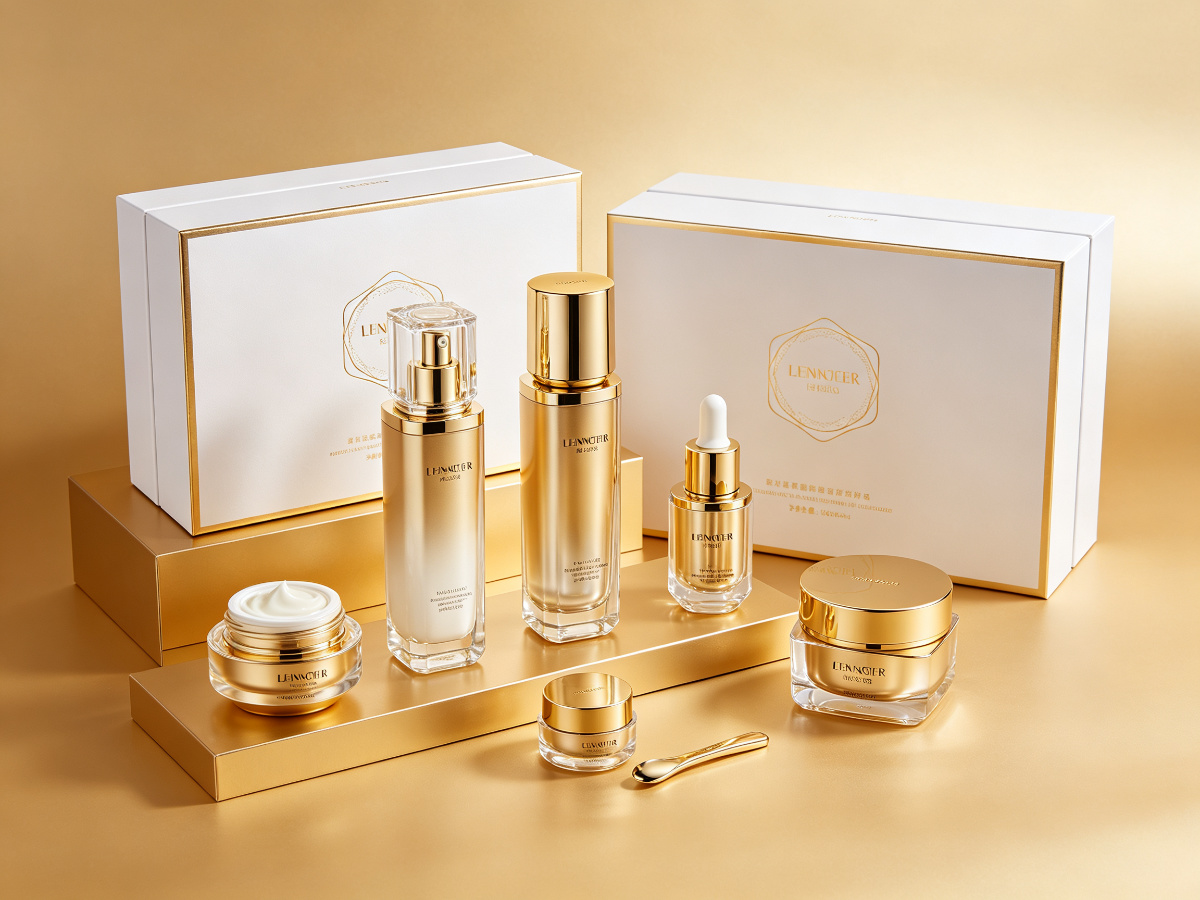
Leading Cosmetics OEM Manufacturers Worldwide: What Sets Them Apart
The leading cosmetics OEM manufacturers worldwide share several traits: they invest in R&D, maintain multiple certifications, offer flexible MOQs, and provide end-to-end project management. They also understand international logistics and can handle export documentation, labeling compliance, and even warehousing for FBA shipments.
When comparing suppliers, consider their category expertise. Some excel in skincare, others in color cosmetics or perfume. For example, a skincare private label manufacturer might specialize in clean beauty or clinical actives, while a makeup-focused OEM might have superior color matching technology. Align your product roadmap with the supplier's strengths.
Common Mistakes When Selecting a Cosmetics OEM Supplier
- Choosing on price alone: The cheapest option often cuts corners on ingredients or QC, leading to recalls or brand damage.
- Ignoring regulatory requirements: A supplier unfamiliar with your target market's regulations can cause delays or rejected shipments.
- Underestimating MOQs and lead times: Plan your cash flow and launch calendar accordingly.
- Not signing a comprehensive contract: Ensure it covers IP ownership, confidentiality, quality standards, and penalties for non-compliance.
- Skipping the sample approval process: Always approve pre-production samples and keep a signed reference standard.
Questions to Ask a Potential Cosmetics OEM Supplier
Before you commit, ask these questions:
- What certifications do you hold, and can I see the certificates?
- What is your MOQ for my specific product category?
- What is your typical lead time from sample approval to delivery?
- Do you offer custom formulation, or only stock formulas?
- How do you handle quality issues or recalls?
- Can you provide references from international clients?
- What are your payment terms? (Typically 30% deposit, 70% before shipment.)
- Do you assist with regulatory registration in my target markets?
For a step-by-step guide on launching your brand, explore our Knowledge Center and articles like Which Cosmetics OEM Offers Private Label and Where to Get Cosmetics OEM Services Onli.
MOQ Planning: How Many Units Should Your First Order Be?
Your first order should balance MOQ requirements with realistic sales projections. For a new skincare brand, starting with 3,000–5,000 units per SKU is common. For makeup, 5,000–10,000 units. For perfume, 2,000–3,000 units. Consider offering multiple SKUs to test the market, but avoid overcommitting on any single product. Many suppliers, including wyoem, offer flexible MOQs for startups and can scale as you grow.
From Zero to Launch: Your OEM Roadmap
- Define your brand and product concept: Identify target market, positioning, and hero products.
- Research and shortlist suppliers: Use industry directories, trade shows, and referrals.
- Request samples and quotes: Evaluate quality, pricing, and communication.
- Verify factory quality: Audit, test, and check references.
- Develop and approve formulations: Work with R&D to finalize specs.
- Design packaging: Choose components and decoration methods.
- Place your first order: Negotiate terms, sign contract, pay deposit.
- Approve pre-production samples: Ensure they match your standard.
- Production and QC: Monitor progress and request batch records.
- Shipping and launch: Arrange logistics and prepare for marketing.
For Amazon sellers, see Launching Your Beauty Brand on Amazon in for FBA-specific tips.
Conclusion
Selecting the right cosmetics OEM supplier for international brands is a strategic decision that impacts every aspect of your business. By focusing on certifications, formulation capabilities, MOQs, quality control, and communication, you can avoid common pitfalls and build a lasting partnership. Whether you are launching a niche perfume line, a skincare range, or a full makeup collection, take the time to vet suppliers thoroughly. Ready to start your journey? Contact Us today to discuss your project with wyoem's team of experts.
For product catalog, quotation, or sampling, please contact us
Contact: SIGE
Email: 27005046@qq.com
WhatsApp / WeChat: +86 15622220825
Website: www.wyoem.com | Main site: www.8OEM.com