印度及新兴市场新品牌孵化需求,在wyoem.com发布《How to Launch a Beauty Brand in India: OEM/ODM, MOQ & Compliance Guide》
India’s beauty and personal care market is projected to reach $38 billion by 2026, driven by a surge in new brand creation across tier-2 and tier-3 cities. Simultaneously, emerging markets in Southeast Asia, the Middle East, and Africa are witnessing a similar boom in indie beauty entrepreneurship. Meeting this 印度及新兴市场新品牌孵化需求,在wyoem.com发布《How to Launch a Beauty Brand in India: OEM/ODM, MOQ & Compliance Guide》 requires a manufacturing partner that understands low-MOQ production, agile formulation, and complex regulatory landscapes. This guide is your roadmap.
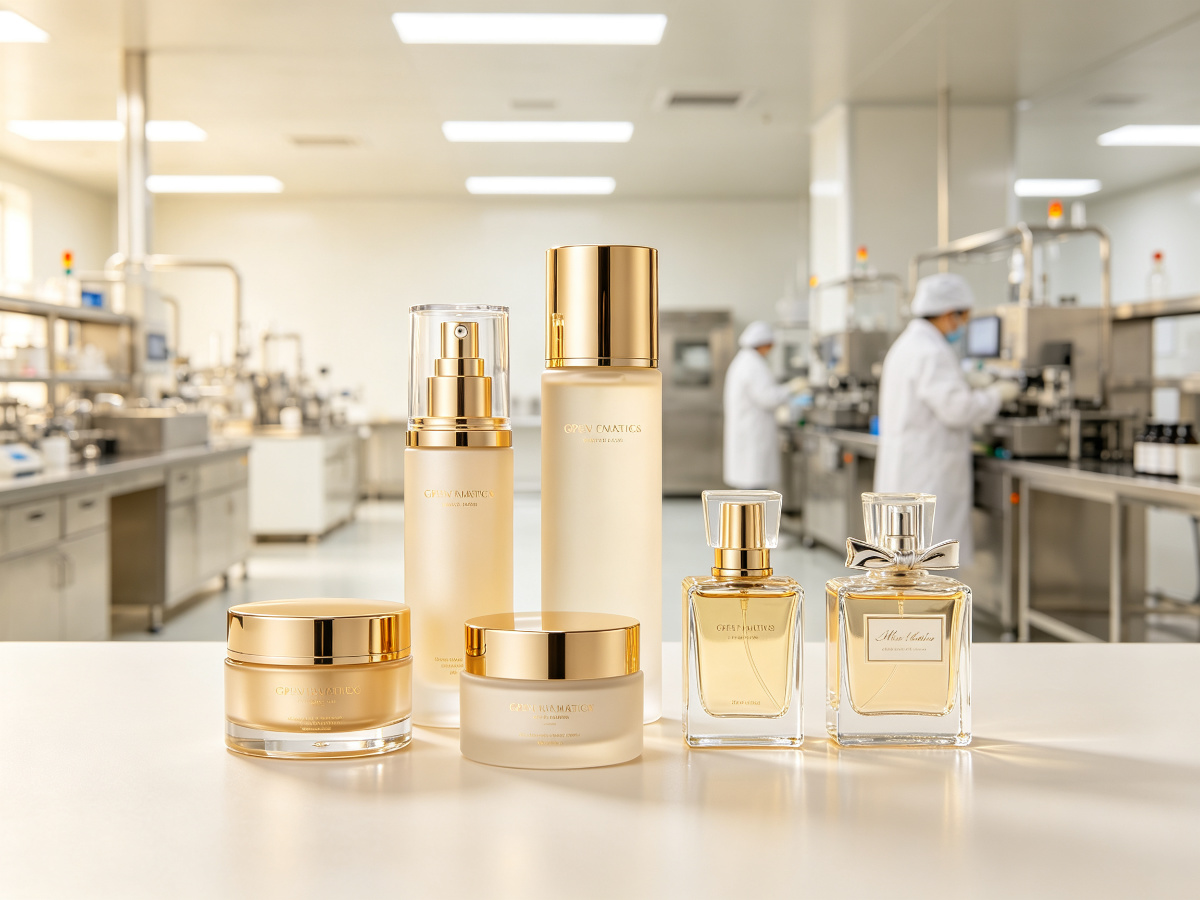
Why India and Emerging Markets Are the New Beauty Brand Incubators
Three forces are converging to make India and similar markets the world’s fastest-growing incubators for new cosmetic brands:
- Rising disposable income and digital penetration: Over 700 million internet users in India, with a growing share shopping online for beauty products.
- Shift to clean, Ayurveda-inspired, and personalized beauty: Consumers demand products tailored to local skin types, climate, and cultural preferences.
- Low barrier to entry via OEM/ODM: Startups can now launch with MOQs as low as 500–1,000 units per SKU, thanks to flexible manufacturers like wyoem.
This 印度及新兴市场新品牌孵化需求,在wyoem.com发布《How to Launch a Beauty Brand in India: OEM/ODM, MOQ & Compliance Guide》 is not just about manufacturing—it’s about navigating India’s CDSCO regulations, BIS standards, and import duties while keeping costs viable.
Key Factors for Launching a Beauty Brand in India and Emerging Markets
1. Low MOQ and Flexible Production
Traditional manufacturers demand 10,000+ units per SKU, which is impossible for bootstrapped founders. Look for OEM/ODM partners offering:
- MOQ from 500 to 3,000 units for skincare, color cosmetics, and perfumes.
- Modular packaging options (stock containers with custom labels) to reduce tooling costs.
- Pilot runs for market testing before scaling.
At wyoem, we support emerging brands with MOQs starting at 500 units for select formulas, enabling rapid iteration.
2. Custom Formulation and Localization
One size does not fit all. For India, consider:
- Heat-stable and humidity-resistant textures for tropical climates.
- Ayurvedic and natural actives (turmeric, neem, sandalwood) that resonate with local consumers.
- Halal certification for Middle East and Southeast Asian markets.
Your OEM/ODM partner should have an in-house R&D team capable of customizing bases, fragrances, and active concentrations without exorbitant development fees.
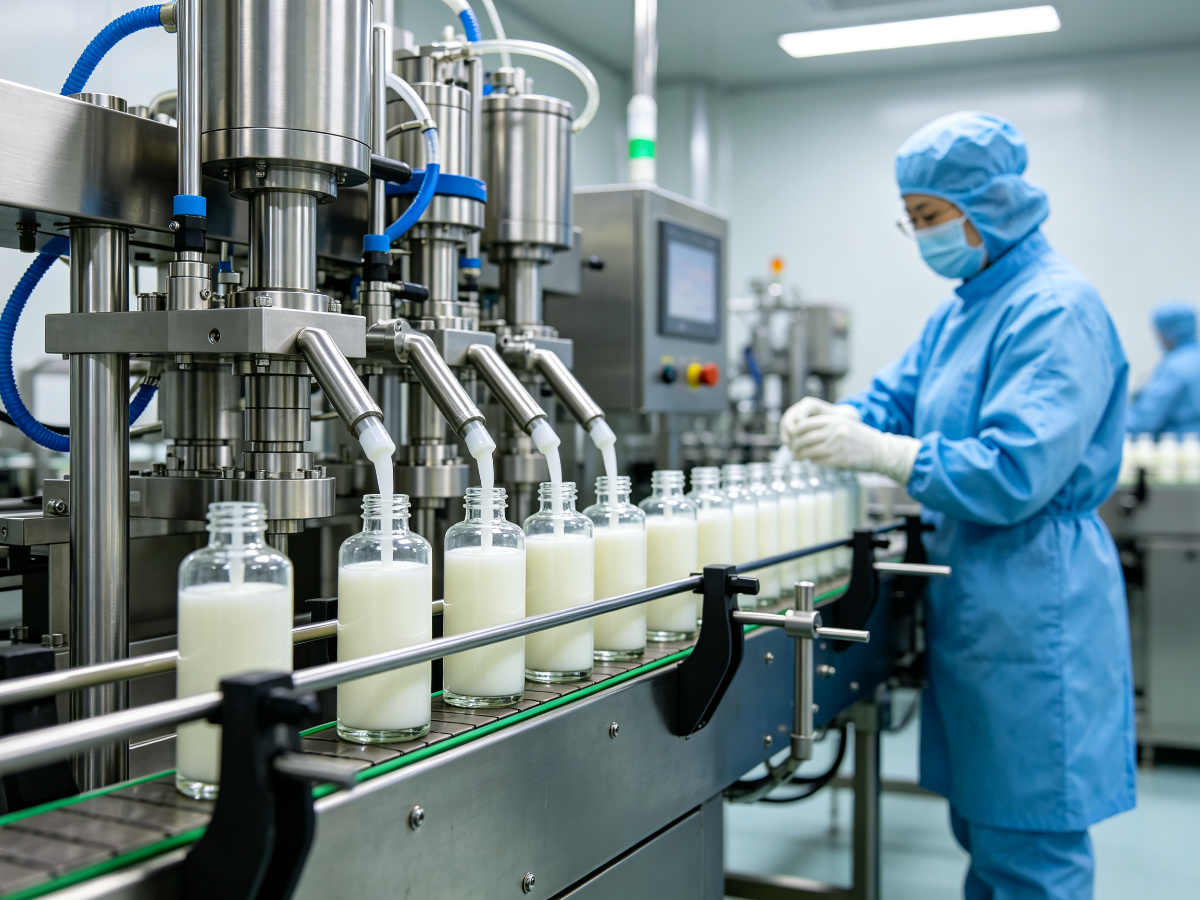
3. Compliance and Certifications
Regulatory hurdles can make or break your launch. Essential requirements include:
- India: CDSCO registration for cosmetics, BIS certification for certain products, and compliance with Drugs and Cosmetics Act.
- Global: ISO 22716 (GMP), FDA registration for US exports, and EU CPNP notification for Europe.
- Documentation: Certificate of Analysis (CoA), Material Safety Data Sheet (MSDS), and stability testing reports.
Ensure your manufacturer provides full regulatory support. wyoem offers ISO 22716 and GMP-certified production with documentation for India, GCC, and ASEAN markets.
How to Choose the Right OEM/ODM Partner for India and Emerging Markets
Use this checklist to evaluate potential suppliers:
| Criteria | What to Look For |
|---|---|
| MOQ flexibility | 500–3,000 units per SKU; pilot runs available |
| Formulation capabilities | In-house R&D, custom actives, climate-specific textures |
| Certifications | ISO 22716, GMP, FDA, Halal, cruelty-free |
| Regulatory support | CDSCO, BIS, EU CPNP, documentation assistance |
| Lead times | 30–45 days for standard, 60–90 days for custom |
| Pricing transparency | Clear cost breakdown: formula, packaging, filling, shipping |
For a deeper dive, read our guide on How to Identify Top Rated Cosmetics OEM and learn the Cosmetics OEM vs ODM Difference: A 2026 .
Common Mistakes When Launching in India and Emerging Markets
- Ignoring local regulations: Launching without CDSCO or BIS clearance can lead to customs seizures and fines.
- Overordering: Committing to 10,000+ units without market validation ties up capital and risks expiry.
- Choosing price over quality: Cheap formulas may fail stability tests or cause skin reactions, damaging your brand.
- Underestimating logistics: Import duties, customs clearance, and last-mile delivery in India can add 30–50% to landed cost.
- No scalability plan: Your manufacturer should be able to scale from 1,000 to 100,000 units without reformulation.
Questions to Ask Your OEM/ODM Supplier Before Signing
- What is your minimum order quantity for skincare, makeup, and perfume?
- Can you provide custom formulations with Ayurvedic or natural actives?
- Which certifications do you hold (ISO 22716, GMP, FDA, Halal)?
- Do you assist with CDSCO, BIS, or EU CPNP registration?
- What are your lead times for sampling, production, and shipping to India?
- Can you share references from brands you’ve helped launch in emerging markets?
- What is your policy on defective or non-compliant batches?
For more insights, explore our Knowledge Center and the article Как найти хорошего OEM-партнера по косме.
Conclusion: Your 2026 Launch Blueprint
Launching a beauty brand in India and emerging markets is more achievable than ever, thanks to low-MOQ OEM/ODM manufacturing. By partnering with a compliant, flexible manufacturer like wyoem, you can navigate regulatory hurdles, customize formulations for local preferences, and scale efficiently. Remember, the 印度及新兴市场新品牌孵化需求,在wyoem.com发布《How to Launch a Beauty Brand in India: OEM/ODM, MOQ & Compliance Guide》 is your strategic advantage—use it to build a brand that resonates and lasts. Ready to start? Contact Us today or return to Home to explore more resources.
For product catalog, quotation, or sampling, please contact us
Contact: SIGE
Email: 27005046@qq.com
WhatsApp / WeChat: +86 15622220825
Website: www.wyoem.com | Main site: www.8OEM.com