How to Partner with the Leading Cosmetics OEM Manufacturers Worldwide in 2026
Finding the right manufacturing partner is the single most critical decision for any beauty brand. Whether you are an established label seeking to expand your production capacity or an entrepreneur launching your first product line, the leading cosmetics OEM manufacturers worldwide offer the expertise, infrastructure, and certifications needed to bring your vision to market. This guide provides a comprehensive roadmap for global brand owners and procurement managers to navigate the complex landscape of cosmetics contract manufacturing in 2026.
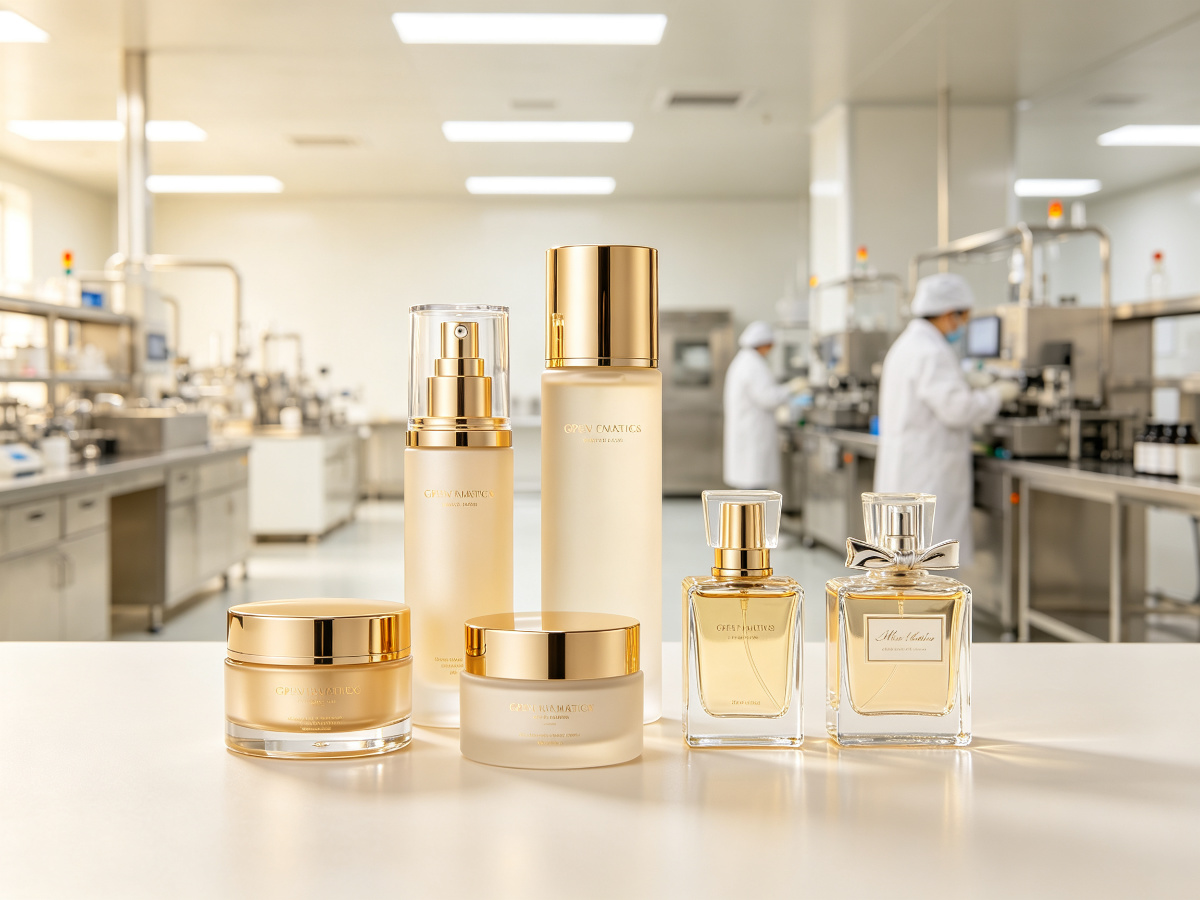
From understanding minimum order quantities (MOQs) to verifying ISO 22716 compliance, this article will equip you with the actionable insights needed to select a partner that aligns with your brand's quality standards, budget, and timeline. For a deeper dive into specific verification steps, refer to our How to Verify Cosmetics OEM Factory Qual.
Key Factors Defining the Leading Cosmetics OEM Manufacturers Worldwide
Not all contract manufacturers are created equal. The leading cosmetics OEM manufacturers worldwide distinguish themselves through a combination of technical capability, regulatory compliance, and supply chain reliability. When evaluating potential partners, consider these core pillars:
1. Certifications and Regulatory Compliance
In 2026, global regulations are stricter than ever. A top-tier manufacturer must hold certifications such as ISO 22716 (Good Manufacturing Practices for Cosmetics), GMP, and FDA registration where applicable. These certifications ensure that your products meet safety and quality standards for markets like the US, EU, and Asia. Always request copies of current certificates and verify their validity.
2. Formulation and R&D Capabilities
Innovation drives the beauty industry. A skincare OEM manufacturer should have an in-house R&D team capable of developing custom formulations, conducting stability tests, and offering trend-driven ingredients. Whether you need a clean beauty serum or a long-wear foundation, the manufacturer's lab should be equipped to handle complex requests.
3. Production Capacity and Lead Times
Scalability is essential. Leading manufacturers operate multiple production lines for various product categories—skincare, makeup, perfume, and personal care. Typical lead times for standard orders range from 30 to 60 days after sample approval, but this can extend during peak seasons. Confirm their capacity to handle your projected growth without compromising quality.
4. MOQ Flexibility
MOQs vary widely. For a cosmetics private label factory, MOQs can range from 1,000 to 10,000 units per SKU, depending on packaging and formulation complexity. Some manufacturers, like wyoem, offer lower MOQs for startups, making them accessible to emerging brands.
5. Packaging and Design Support
Packaging is a brand's silent salesman. A full-service skincare OEM factory should provide packaging sourcing, decoration (e.g., silk screening, hot stamping), and filling services. This integrated approach reduces coordination headaches and ensures consistency.
How to Choose the Right OEM Partner: A Step-by-Step Guide
Selecting a manufacturer is a strategic process. Follow these steps to make an informed decision:
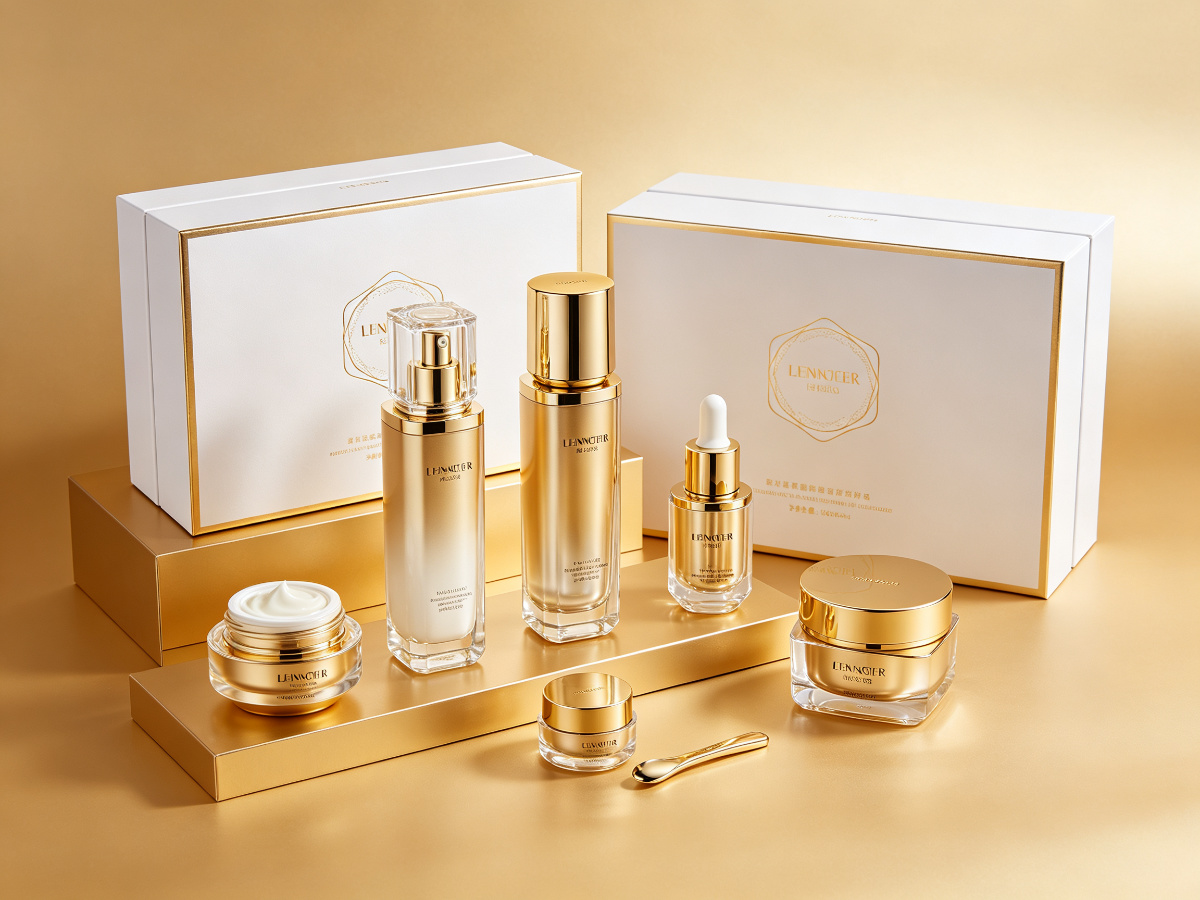
- Define Your Product Brief: Outline your target market, product category, key ingredients, packaging preferences, and budget. This clarity will help you filter suitable suppliers.
- Conduct Preliminary Research: Use industry directories, trade shows (e.g., Cosmoprof), and online platforms to build a list of potential partners. Look for manufacturers with experience in your specific category.
- Request Samples and Quotes: Contact shortlisted suppliers for samples and detailed quotes. Compare pricing structures, MOQs, and lead times. Be wary of quotes that seem too low—they may indicate compromised quality.
- Audit the Factory: If possible, schedule a virtual or on-site audit. Check cleanliness, equipment, and staff expertise. Ask about their quality control procedures and batch testing protocols.
- Evaluate Communication: Responsiveness and transparency are key. A good partner will answer questions promptly and provide clear timelines.
- Negotiate Terms: Discuss payment terms, exclusivity, and intellectual property rights. Ensure your formula and brand assets are protected.
- Start with a Pilot Order: Before committing to a large volume, place a small trial order to test their capabilities and reliability.
For a more detailed framework, see our guide on How to Choose a Cosmetics OEM Supplier f.
Common Mistakes to Avoid When Selecting an OEM Manufacturer
Even experienced buyers can fall into traps. Avoid these common pitfalls:
- Focusing Solely on Price: The cheapest option often leads to quality issues, regulatory non-compliance, or hidden costs. Prioritize value over cost.
- Ignoring Certifications: Skipping verification of ISO 22716 or GMP can result in product recalls or market rejection.
- Underestimating MOQs: Ordering too little can lead to higher unit costs; ordering too much can strain your cash flow. Plan your first order carefully.
- Overlooking Communication Barriers: Language and time zone differences can cause delays. Choose a manufacturer with English-speaking staff or robust project management tools.
- Not Having a Contract: Always formalize agreements in writing, covering quality standards, delivery schedules, and penalties for non-compliance.
Critical Questions to Ask Potential Suppliers
Before signing a contract, ask these questions to gauge a manufacturer's suitability:
| Question | Why It Matters |
|---|---|
| What certifications do you hold (ISO 22716, GMP, FDA)? | Ensures compliance with international regulations. |
| What is your MOQ for my product category? | Determines initial investment and scalability. |
| What are your typical lead times for new orders and reorders? | Helps plan inventory and launch timelines. |
| Do you offer custom formulation and packaging design? | Reduces the need for multiple vendors. |
| Can you provide references from similar brands? | Validates their experience and reliability. |
| What are your payment terms and quality guarantee policies? | Protects your financial and brand interests. |
For a comprehensive checklist, visit our Knowledge Center.
Why wyoem Stands Out Among Leading Cosmetics OEM Manufacturers Worldwide
Based in China, wyoem has established itself as a trusted partner for global brands seeking high-quality, cost-effective manufacturing solutions. With a focus on perfume, skincare, makeup, and personal care, wyoem offers:
- Low MOQs: Starting from 1,000 units per SKU, ideal for startups and test launches.
- In-House R&D: A team of chemists and packaging engineers dedicated to innovation.
- Certifications: ISO 22716, GMP, and FDA-compliant facilities.
- End-to-End Services: From formulation to filling, labeling, and shipping.
- Global Experience: Serving clients in North America, Europe, and Asia.
To discuss your project, Contact Us today. Explore our Home page to learn more about our capabilities.
Conclusion: Your Path to a Successful OEM Partnership
Partnering with the leading cosmetics OEM manufacturers worldwide is a strategic move that can accelerate your brand's growth and ensure product excellence. By focusing on certifications, R&D, MOQ flexibility, and communication, you can avoid common pitfalls and build a long-term relationship with a manufacturer that understands your vision. In 2026, the competition is fierce, but with the right partner, your brand can thrive. Start your search today, ask the right questions, and choose a manufacturer that aligns with your values and goals.
For product catalog, quotation, or sampling, please contact us
Contact: SIGE
Email: 27005046@qq.com
WhatsApp / WeChat: +86 15622220825
Website: www.wyoem.com | Main site: www.8OEM.com