How to Select a Cosmetics OEM Manufacturer with Global Shipping for Your Brand
Finding a reliable cosmetics OEM manufacturer with global shipping is a critical step for any brand owner or procurement manager planning a product launch. Whether you are an entrepreneur starting a niche perfume line or an established brand expanding into skincare, your manufacturing partner directly impacts your product quality, costs, and delivery timelines. With global beauty sales projected to exceed $700 billion by 2026, competition is fierce—and your supply chain must be flawless. This guide walks you through the essential factors, from MOQs and certifications to packaging and logistics, so you can make an informed decision and avoid costly mistakes.
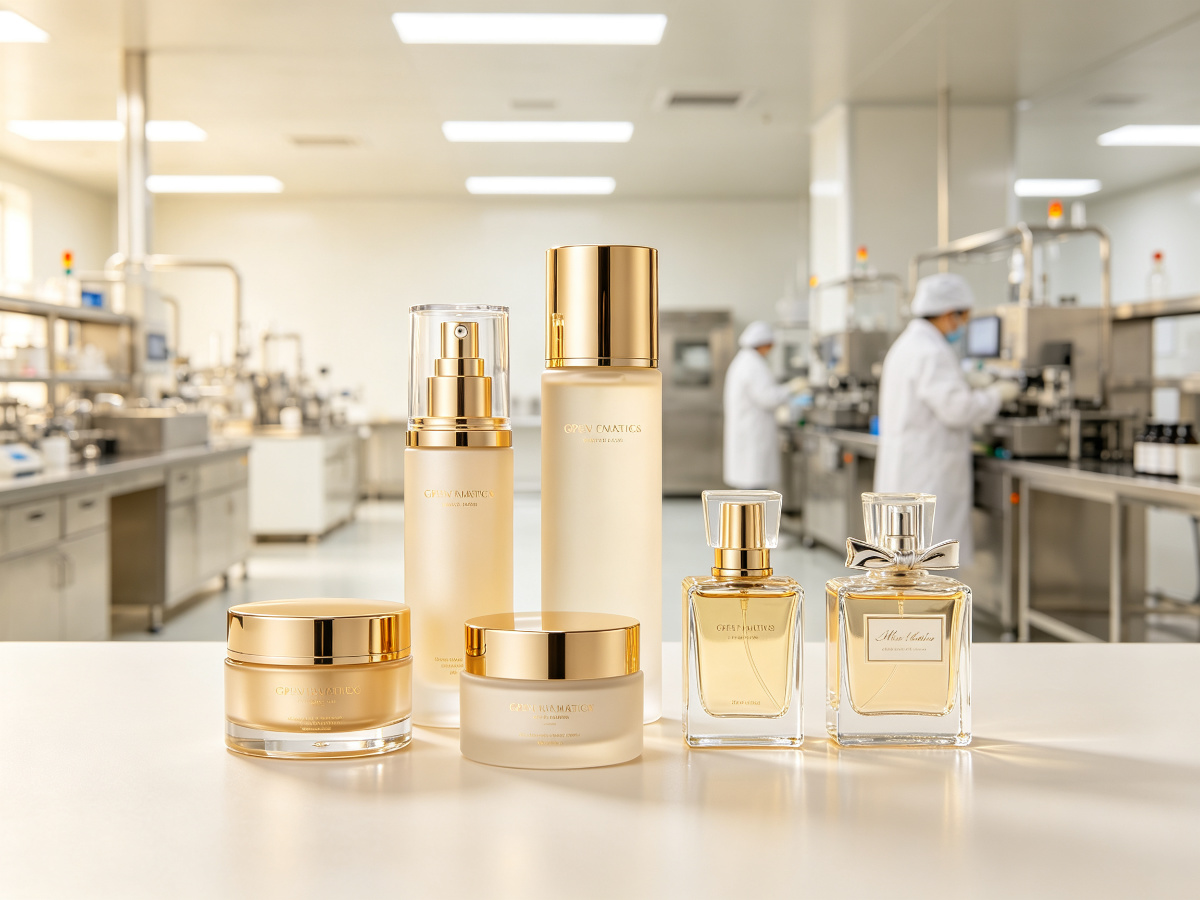
Key Factors When Evaluating a Cosmetics OEM Manufacturer with Global Shipping
Not all manufacturers are created equal. When you search for a cosmetics OEM manufacturer with global shipping, focus on these core criteria:
1. Certifications and Compliance
Ensure the factory holds ISO 22716 (Good Manufacturing Practices for cosmetics) and GMP certification. For products sold in the US, FDA registration is often required, while EU buyers need CPNP compliance. These certifications guarantee that your products meet safety and quality standards in your target markets.
2. Production Capabilities and Specialization
Do you need skincare, makeup, perfume, or hair care? Some manufacturers specialize in one category, while others offer full-range services. For example, if you are looking for the best cosmetics OEM for hair care, verify their experience with shampoo, conditioner, and styling products—including formulation stability and packaging compatibility.
3. MOQ and Pricing Structure
Minimum order quantities (MOQs) vary widely. For skincare, typical MOQs range from 1,000 to 5,000 units per SKU; for color cosmetics like lipstick or mascara, MOQs can be 3,000 to 10,000 units. Perfume MOQs often start at 5,000 bottles. Pricing depends on formula complexity, packaging, and order volume. Always request a detailed quotation that breaks down formula, filling, packaging, and shipping costs.
4. Lead Times and Shipping Logistics
Standard lead times for OEM production are 30–45 days after sample approval, plus 20–40 days for sea freight or 5–10 days for air freight. A manufacturer with global shipping capabilities should offer DDP (Delivered Duty Paid) or FOB terms and handle customs documentation. Ask about their experience shipping to your region—whether North America, Europe, or Asia.
5. Sampling and R&D Support
Before committing, request samples. A good OEM partner provides formulation samples within 7–14 days and offers R&D support to tweak textures, scents, and active ingredients. This is especially important for custom perfume manufacturing, where scent development can take multiple iterations.
How to Choose Between Cosmetics OEM and ODM
Understanding how to choose between cosmetics OEM and ODM is fundamental. OEM (Original Equipment Manufacturer) means you provide the formula and specifications, and the factory produces it. ODM (Original Design Manufacturer) means the factory offers ready-made formulas that you can brand. OEM gives you full control and uniqueness but requires more investment and R&D. ODM is faster and cheaper for startups but results in less differentiation. Many brands start with ODM for quick market entry and transition to OEM as they scale.
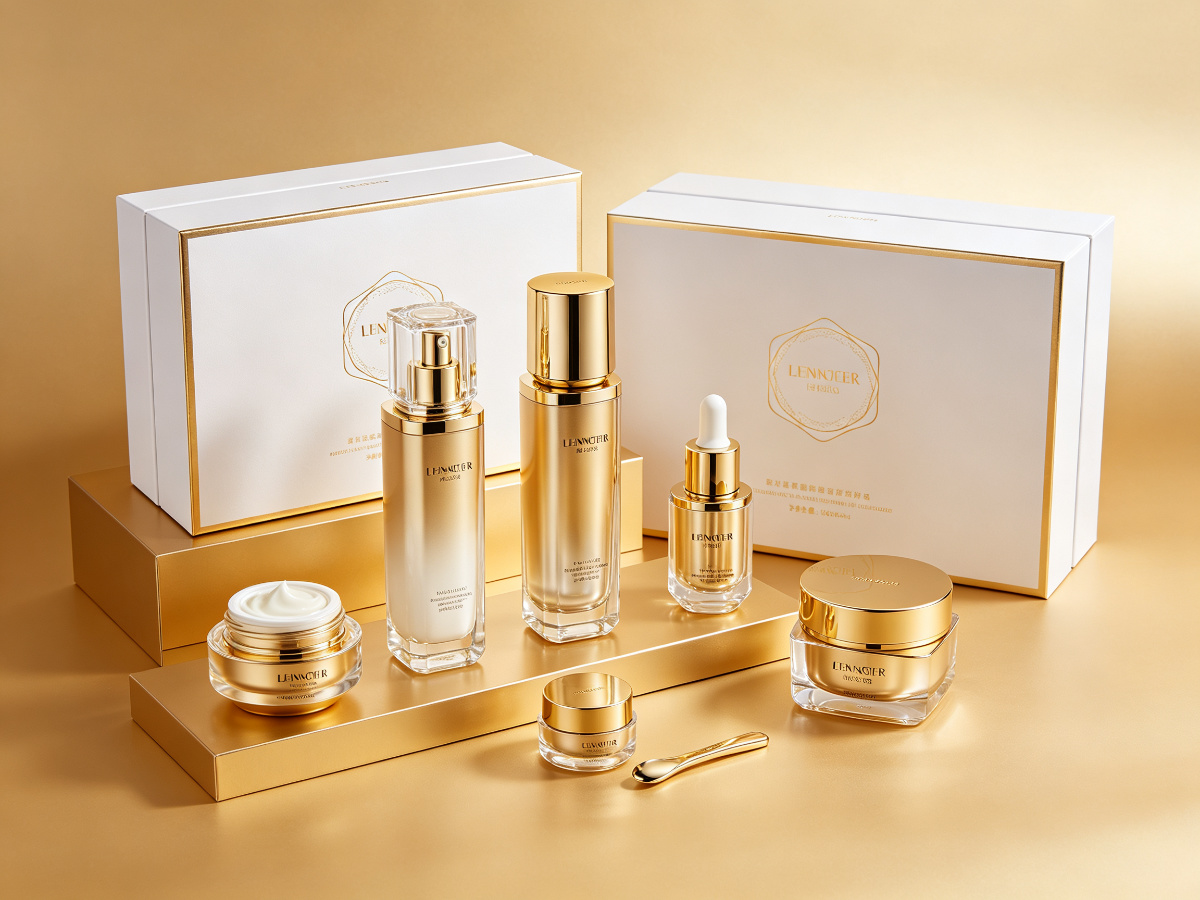
If you already have a winning formula, OEM is the way to go. If you need speed and lower upfront costs, ODM may be suitable. Some manufacturers, like wyoem, offer hybrid models where you can customize an existing base formula—a practical middle ground.
Where to Get Cosmetics OEM Services Online
The digital age has made it easier to find suppliers. Platforms like Alibaba, Global Sources, and Made-in-China list thousands of manufacturers. However, where to get cosmetics OEM services online should not be limited to directories. Industry trade shows (Cosmoprof, Beauty Expo) and referrals from other brand owners are invaluable. Also, check the manufacturer's website for detailed capabilities, certifications, and client testimonials. A reputable manufacturer will have a professional online presence and respond promptly to inquiries.
When evaluating online, look for factories that provide virtual factory tours, clear MOQ information, and transparent pricing. Avoid suppliers who are vague about their certifications or refuse to provide samples.
Which Cosmetics OEM Offers Private Label?
Private label is a subset of OEM where the manufacturer produces goods under your brand name. Not all OEMs offer private label; some only do contract manufacturing for established brands. To find out which cosmetics OEM offers private label, ask directly about their private label services, including custom packaging and labeling. Many manufacturers, especially in China, provide full private label services for skincare, makeup, and personal care. Ensure they can handle small-to-medium batch sizes and offer packaging design support.
For makeup private label, look for factories experienced in lipstick, foundation, and mascara production. They should offer a range of stock packaging options or custom molds if your volume justifies it.
Common Mistakes to Avoid When Selecting a Manufacturer
- Ignoring MOQ realities: Overordering on your first run ties up capital. Start with a manageable MOQ—often 1,000–3,000 units—and scale as demand grows.
- Underestimating shipping costs: Global shipping can add 15–30% to your landed cost. Always get a landed cost estimate before finalizing your pricing.
- Skipping sample evaluation: Never approve a formula based on photos alone. Test samples for texture, scent, stability, and packaging compatibility.
- Overlooking certifications: Missing ISO 22716 or FDA registration can block your products from entering key markets.
- Not visiting the factory: If possible, schedule a visit or request a video audit. This reveals production conditions and quality control processes.
Questions to Ask Your Potential Supplier
Before signing a contract, ask these questions to gauge reliability and fit:
- What are your MOQs for each product category (skincare, makeup, perfume, hair care)?
- What certifications do you hold (ISO 22716, GMP, FDA)?
- What is your typical lead time from sample approval to shipment?
- Do you offer global shipping, and what Incoterms do you use?
- Can you provide references from clients in my region?
- What is your process for quality control and batch testing?
- Do you offer custom packaging design and decoration?
- How do you handle reformulations or product issues after delivery?
For more detailed guidance, explore our Knowledge Center or Contact Us directly. You can also read our articles on The Best Cosmetics OEM for Organic Produ and Cosmetics OEM with Custom Packaging: A 2 for deeper insights.
Conclusion: Partnering for Success
Choosing the right cosmetics OEM manufacturer with global shipping is a strategic decision that affects your brand's reputation and bottom line. By focusing on certifications, MOQs, lead times, and shipping capabilities, you can avoid common pitfalls and build a resilient supply chain. Remember to start with a manageable first order, test samples thoroughly, and maintain open communication with your manufacturer. With the right partner—such as wyoem, a China-based OEM/ODM expert—you can bring high-quality beauty products to market efficiently and scale globally. For personalized support, visit our Home page or reach out via Contact Us today.
For product catalog, quotation, or sampling, please contact us
Contact: SIGE
Email: 27005046@qq.com
WhatsApp / WeChat: +86 15622220825
Website: www.wyoem.com | Main site: www.8OEM.com