How to Select a Skincare Private Label Manufacturer in 2026: A Complete Guide
Finding the right skincare private label manufacturer is one of the most critical decisions for any beauty brand. Whether you are launching a new line or expanding an existing one, your manufacturing partner directly impacts product quality, time to market, and profitability. With the global skincare market projected to exceed $200 billion by 2026, competition is fierce, and choosing the wrong partner can cost you months of delays and thousands of dollars. This guide walks you through every step of selecting a reliable manufacturer, from understanding MOQs to vetting certifications and avoiding common pitfalls.
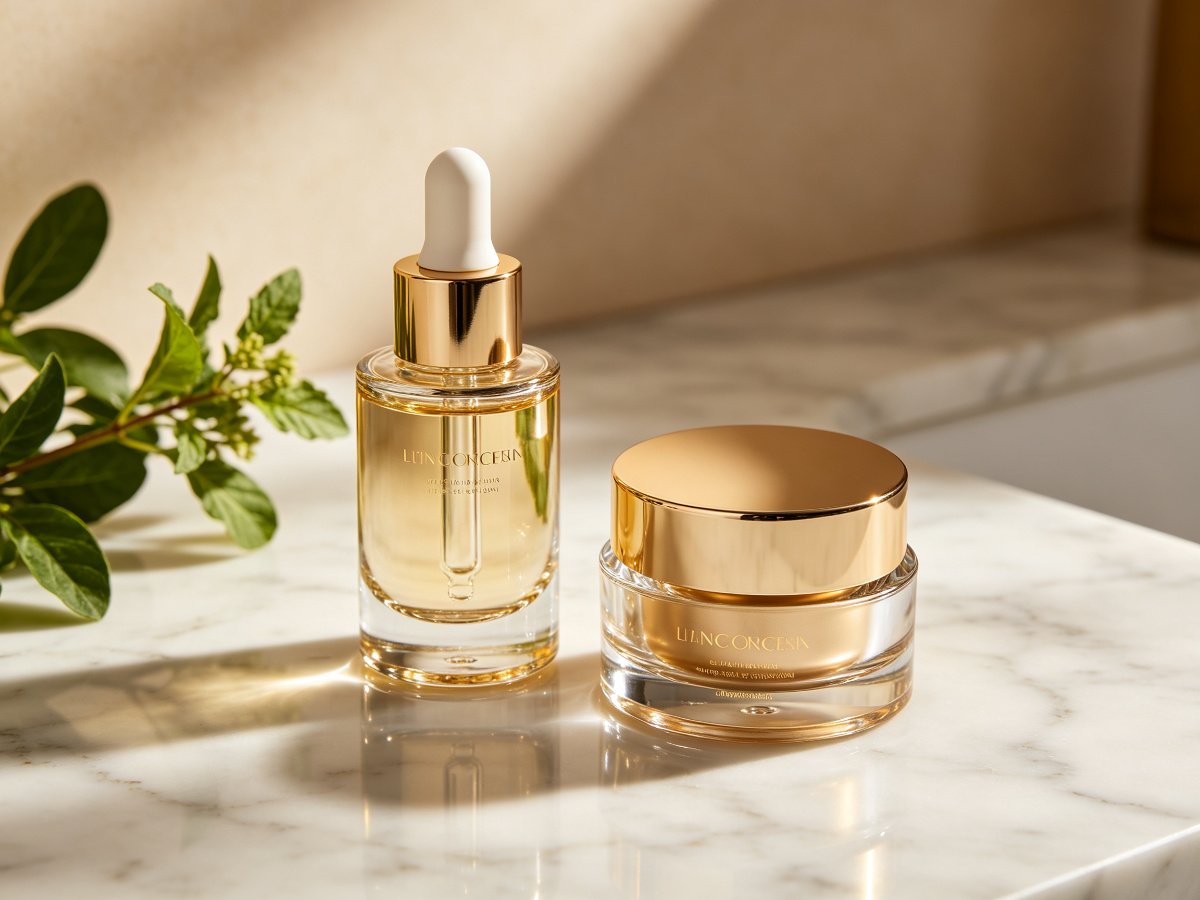
At wyoem, we have helped hundreds of brands navigate this process. Drawing on that experience, we have compiled the essential factors, questions, and red flags you need to know before signing a contract.
Key Factors to Evaluate in a Skincare Private Label Manufacturer
Not all manufacturers are created equal. When comparing potential partners, focus on these core areas:
1. Certifications and Compliance
Regulatory compliance is non-negotiable. At minimum, your manufacturer should hold ISO 22716 (Good Manufacturing Practices for cosmetics) and GMP certification. If you plan to sell in the United States, they must be FDA-registered. For Europe, look for compliance with EU Regulation 1223/2009. Other valuable certifications include ISO 9001, ISO 14001, and cruelty-free or vegan certifications if those align with your brand values. Always request copies of certificates and verify their validity.
2. Production Capabilities and Capacity
Can the manufacturer handle your product types? Skincare encompasses a wide range—creams, serums, masks, cleansers, toners, and more. Some factories specialize in emulsions, while others excel in anhydrous products or sheet masks. Also assess their production capacity: can they scale with you as you grow? A factory that maxes out at 10,000 units per month may not suit a brand with ambitious growth plans.
3. Research and Development (R&D)
Innovation drives repeat purchases. A strong skincare custom formulation manufacturer will have an in-house R&D team capable of developing unique textures, incorporating trending ingredients (like bakuchiol, ectoin, or postbiotics), and adjusting formulas to meet your specifications. Ask about their lead time for new formulations—typically 4–8 weeks for a custom formula, plus stability and compatibility testing.
4. Minimum Order Quantity (MOQ)
MOQs vary widely. For private label (stock formulas), MOQs often range from 1,000 to 5,000 units per SKU. For custom formulations, expect 3,000 to 10,000 units. Some manufacturers offer lower MOQs for airless pumps or sample runs, but unit costs will be higher. Be realistic about your first order—ordering too little can lead to stockouts, while ordering too much ties up cash. A good rule of thumb: forecast your first 6 months of sales and add a 20% buffer.
5. Lead Times
Standard lead times for private label skincare are 30–45 days after formula approval and receipt of packaging components. Custom formulations add 4–8 weeks for development. Shipping from Asia to North America or Europe adds another 20–35 days by sea, or 5–10 days by air. Always factor in these timelines when planning your launch.
6. Packaging and Decoration Services
Your packaging is your brand's handshake. Does the manufacturer offer in-house decoration like silk screening, hot stamping, or labeling? Can they source airless bottles, droppers, or jars that fit your aesthetic? Some factories provide full turnkey services, including packaging procurement, which can simplify your supply chain but may limit your design freedom.

How to Choose the Right Cosmetics Private Label Factory
With so many options, especially in China, South Korea, and the United States, how do you narrow down? Follow this step-by-step approach:
- Define your product brief. Before contacting suppliers, know your product category, target price point, desired ingredients, and packaging format. The clearer your brief, the more accurate their quotes.
- Request samples and references. Ask for samples of similar products they have manufactured. Test them for texture, scent, absorption, and stability. Also request references from existing clients—and actually call them.
- Conduct a factory audit. If possible, visit the facility. If not, request a video tour or third-party audit report. Look for clean rooms, organized production lines, and proper storage conditions.
- Compare quotes carefully. Don't just look at unit price. Factor in MOQ, tooling costs, packaging, shipping, and payment terms. A lower unit price with a higher MOQ may not be the best deal.
- Assess communication. Responsiveness and clarity are key. If they are slow to reply during the sales process, imagine the delays during production.
For a deeper dive into this process, see our guide How to Choose a Skincare OEM Manufacture.
Common Mistakes to Avoid
Many first-time brand owners make avoidable errors. Here are the most frequent:
- Underestimating MOQs. Ordering too few units can result in higher per-unit costs and may not be enough to test the market.
- Ignoring regulatory requirements. Selling a product that doesn't comply with local regulations can lead to recalls, fines, and brand damage.
- Skipping stability testing. A formula that looks great in the lab may separate or degrade over time. Always insist on accelerated stability testing.
- Not having a contract. A detailed contract should cover timelines, quality standards, payment terms, and penalties for delays.
- Choosing on price alone. The cheapest option often cuts corners on ingredients or quality control.
Questions to Ask Potential Suppliers
When interviewing a cosmetics contract manufacturing partner, ask these questions to separate the professionals from the pretenders:
| Category | Questions |
|---|---|
| Certifications | Which certifications do you hold? Can you provide copies? Are you FDA-registered? |
| R&D | Do you have an in-house lab? How many chemists? What is your typical development timeline? |
| Production | What is your monthly capacity? What is your MOQ for private label and custom formulas? |
| Quality Control | What testing do you perform? Do you do stability, microbiological, and challenge testing? |
| Packaging | Do you offer decoration services? Can you source custom packaging? |
| Logistics | What are your lead times? Do you handle shipping and export documentation? |
| Payment | What are your payment terms? Do you require a deposit? |
For more insights on working with manufacturers, explore our Knowledge Center.
Leveraging Technology and Trends
The beauty industry is evolving rapidly. In 2026, AI-driven skin analysis is transforming how brands develop products. Manufacturers that integrate technology can offer personalized solutions. Learn more about this trend in AI Skin Analysis Is Reshaping Beauty OEM.
Additionally, many brands are now leveraging OEM/ODM incubators to launch faster. Read From Monday Haircare to 20 Brands: How O to see how this model works.
Conclusion
Selecting the right skincare private label manufacturer is a strategic decision that requires careful research and due diligence. By focusing on certifications, R&D capabilities, MOQs, lead times, and communication, you can find a partner who will help you bring high-quality products to market efficiently. Remember to ask the right questions, avoid common mistakes, and consider emerging trends like AI and incubator programs. For personalized guidance, Contact Us at wyoem—we're here to help you navigate the OEM/ODM process and launch your beauty brand successfully.
For product catalog, quotation, or sampling, please contact us
Contact: SIGE
Email: 27005046@qq.com
WhatsApp / WeChat: +86 15622220825
Website: wyoem.com