How to Verify Cosmetics OEM Factory Quality: A 2026 Guide for Global Brands
Finding a reliable manufacturing partner is one of the most critical decisions for any beauty brand. If you are sourcing from overseas, you need to know how to verify cosmetics OEM factory quality before placing a single order. Poor quality control can lead to product recalls, damaged brand reputation, and financial loss. This guide walks you through the exact steps to vet a factory, from certifications to sample testing, so you can launch with confidence.
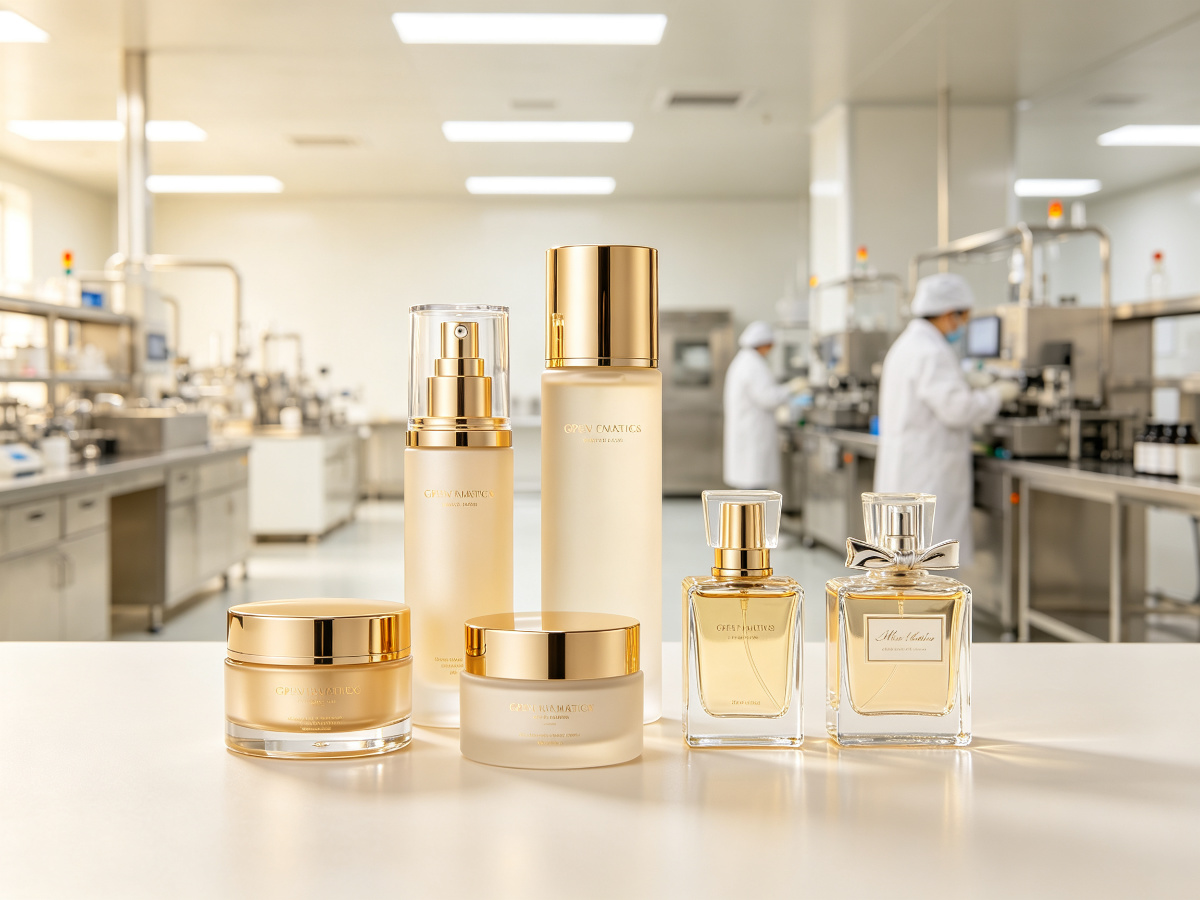
At wyoem, we have helped hundreds of international brands navigate the OEM process. Whether you are a startup or an established player, the principles of verification remain the same. Let's dive into the key factors, red flags, and questions you must ask.
Why Verifying OEM Factory Quality Matters More Than Ever
In 2026, the global cosmetics market is more competitive than ever. Consumers are educated, and they demand safe, effective, and ethically produced products. A single bad batch can destroy trust. According to industry reports, over 30% of beauty startups fail within the first two years due to supply chain issues, often stemming from unverified manufacturers. By learning how to verify cosmetics OEM factory quality, you protect your brand and your customers.
Key Factors to Evaluate in a Cosmetics OEM Factory
Not all factories are created equal. When assessing a potential partner, focus on these critical areas:
1. Certifications and Compliance
Certifications are your first line of defense. Look for:
- ISO 22716 – The gold standard for cosmetics Good Manufacturing Practices (GMP).
- GMP – Ensures consistent production and quality control.
- FDA registration – For products sold in the US, the factory should be FDA-registered.
- ISO 9001 – Quality management systems.
- EcoCert, COSMOS, or Leaping Bunny – If you target clean or cruelty-free markets.
Always request copies of certificates and verify their validity through the issuing body's website. A legitimate skincare OEM manufacturer will happily provide these.
2. Facility Audits and Inspections
Certificates alone are not enough. You need to know the factory actually follows the rules. Schedule a virtual or on-site audit. If you cannot travel, hire a third-party inspection firm like SGS, Bureau Veritas, or Intertek. They will check:
- Cleanliness and organization of production areas.
- Proper storage of raw materials and finished goods.
- Equipment maintenance records.
- Employee hygiene and training logs.
- Batch record keeping and traceability.
A factory that hesitates to allow an audit is a major red flag.
3. Raw Material Sourcing and Testing
Quality starts with ingredients. Ask where they source their raw materials. Do they use reputable suppliers? Do they test incoming materials for purity and potency? A good cosmetics private label factory will have documented supplier qualification programs and certificates of analysis (CoA) for every batch.
4. Production Capabilities and Technology
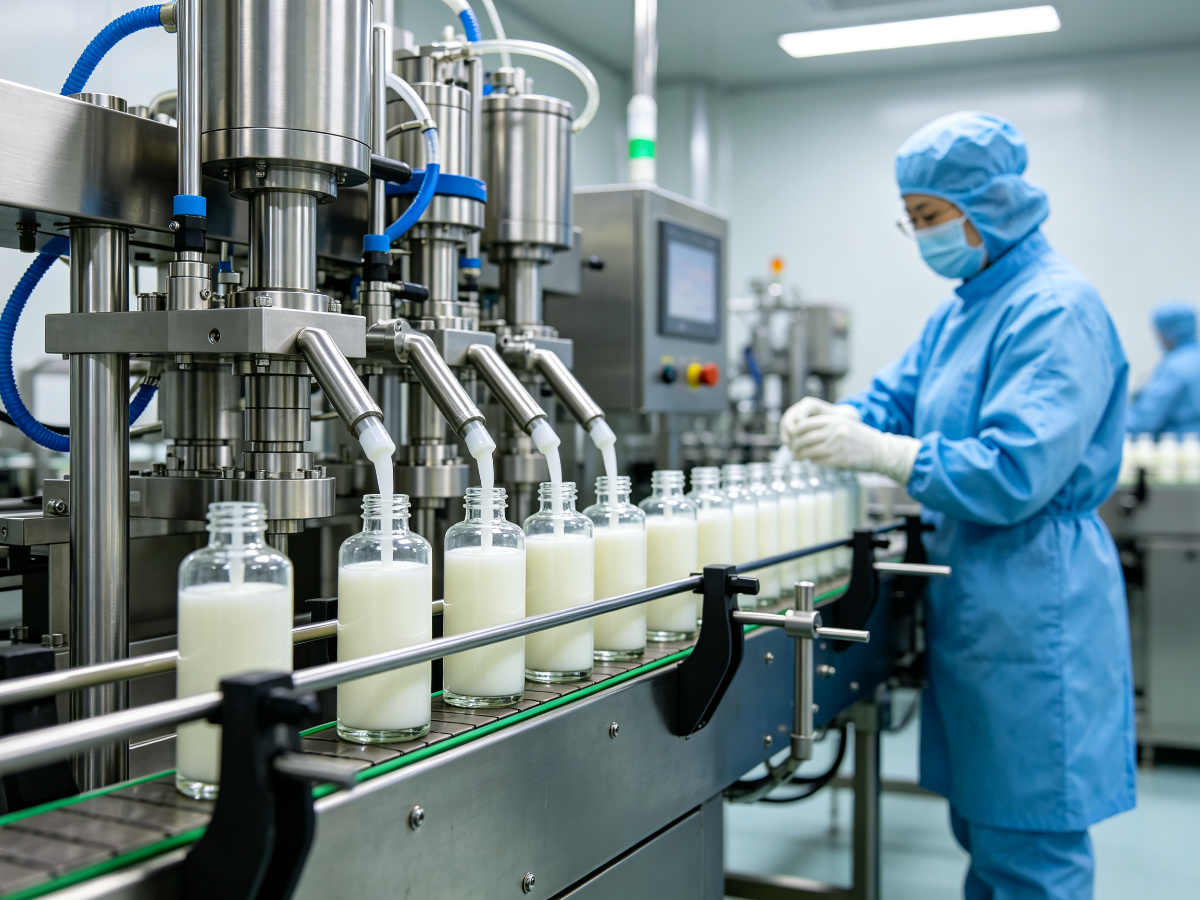
Does the factory have the right equipment for your product type? For example, if you are launching a serum, they need high-shear mixers and sterile filling lines. If you are doing makeup, they need specialized presses for powders. Ask about their filling accuracy, batch size capabilities, and automation level. Advanced technology often correlates with better consistency.
5. Quality Control Processes
Robust QC is non-negotiable. Inquire about:
- In-process checks during production.
- Finished product testing (microbiology, stability, compatibility).
- Retention samples for every batch.
- Documented deviation and recall procedures.
They should also provide a Certificate of Analysis (CoA) for each batch you receive.
6. Communication and Responsiveness
Quality also means good communication. How quickly do they respond to inquiries? Do they provide clear timelines? A factory that is slow to answer basic questions before you order will likely be worse after you pay. Look for a partner who assigns a dedicated account manager and uses project management tools.
How to Choose the Right OEM Factory: A Step-by-Step Approach
Now that you know what to look for, here is a practical process to vet suppliers:
- Define your requirements. Know your product type, target price, MOQ, and timeline. This helps you filter out mismatched factories quickly.
- Shortlist potential suppliers. Use industry directories, trade shows (like Cosmoprof), or referrals. Look for leading cosmetics OEM manufacturers worldwide that specialize in your category.
- Request information and samples. Ask for their company profile, certifications, and product samples. Evaluate the samples for texture, scent, packaging, and overall feel.
- Conduct a factory audit. As mentioned, use a third party or visit yourself. This is the most reliable way to verify quality.
- Test small batches. Before committing to a large order, place a trial order. This tests not only product quality but also their ability to meet deadlines and communicate.
- Review contracts and terms. Ensure quality standards, penalties for non-compliance, and IP protection are clearly outlined.
Common Mistakes to Avoid When Verifying OEM Factory Quality
Many buyers fall into these traps:
- Relying solely on certificates. Certificates can be faked or expired. Always verify.
- Skipping the audit. It may seem costly, but it saves money in the long run.
- Ignoring MOQ and lead times. A factory with a low MOQ might not have the capacity for scale. Typical MOQs for skincare range from 1,000 to 5,000 units, with lead times of 30-60 days.
- Not testing samples thoroughly. Test stability, compatibility with packaging, and microbial safety.
- Overlooking communication. Poor communication leads to delays and errors.
Questions to Ask Your Potential OEM Supplier
Use this checklist when interviewing factories:
| Question | Why It Matters |
|---|---|
| What certifications do you hold, and can I see the certificates? | Verifies compliance with international standards. |
| Can you provide a recent third-party audit report? | Confirms independent verification of quality systems. |
| What is your MOQ for my product type? | Ensures alignment with your budget and inventory plans. |
| What are your typical lead times for new orders and reorders? | Helps you plan launches and avoid stockouts. |
| How do you handle quality issues or recalls? | Reveals their commitment to accountability. |
| Can you provide references from existing clients? | Offers insight into their reliability and service. |
| What is your process for raw material sourcing and testing? | Ensures ingredient quality and safety. |
For more detailed questions, visit our Knowledge Center.
Conclusion: Partner with a Verified OEM Factory
Knowing how to verify cosmetics OEM factory quality is a skill that will save your brand from costly mistakes. By checking certifications, conducting audits, testing samples, and asking the right questions, you can find a manufacturing partner you trust. Remember, the cheapest option is rarely the best. Invest time in verification, and your brand will reap the rewards.
If you are ready to work with a transparent, certified skincare private label manufacturer, Contact Us today. Our team at wyoem is here to guide you through every step, from formulation to fulfillment.
For product catalog, quotation, or sampling, please contact us
Contact: SIGE
Email: 27005046@qq.com
WhatsApp / WeChat: +86 15622220825
Website: www.wyoem.com | Main site: www.8OEM.com