Which Cosmetics OEM Offers Private Label? A 2026 Buyer's Guide for Global Brands
If you're a brand owner or procurement manager asking which cosmetics OEM offers private label, you're not alone. The global beauty market continues to expand, and private label manufacturing has become the fastest route to launch a new line without building a factory. But not all OEMs are created equal. Some specialize in skincare, others in color cosmetics, and many claim to offer full-service private label but fall short on certifications, MOQs, or international compliance. This guide will walk you through the essential factors, red flags, and questions to ask so you can confidently select a partner that aligns with your brand's vision and budget.
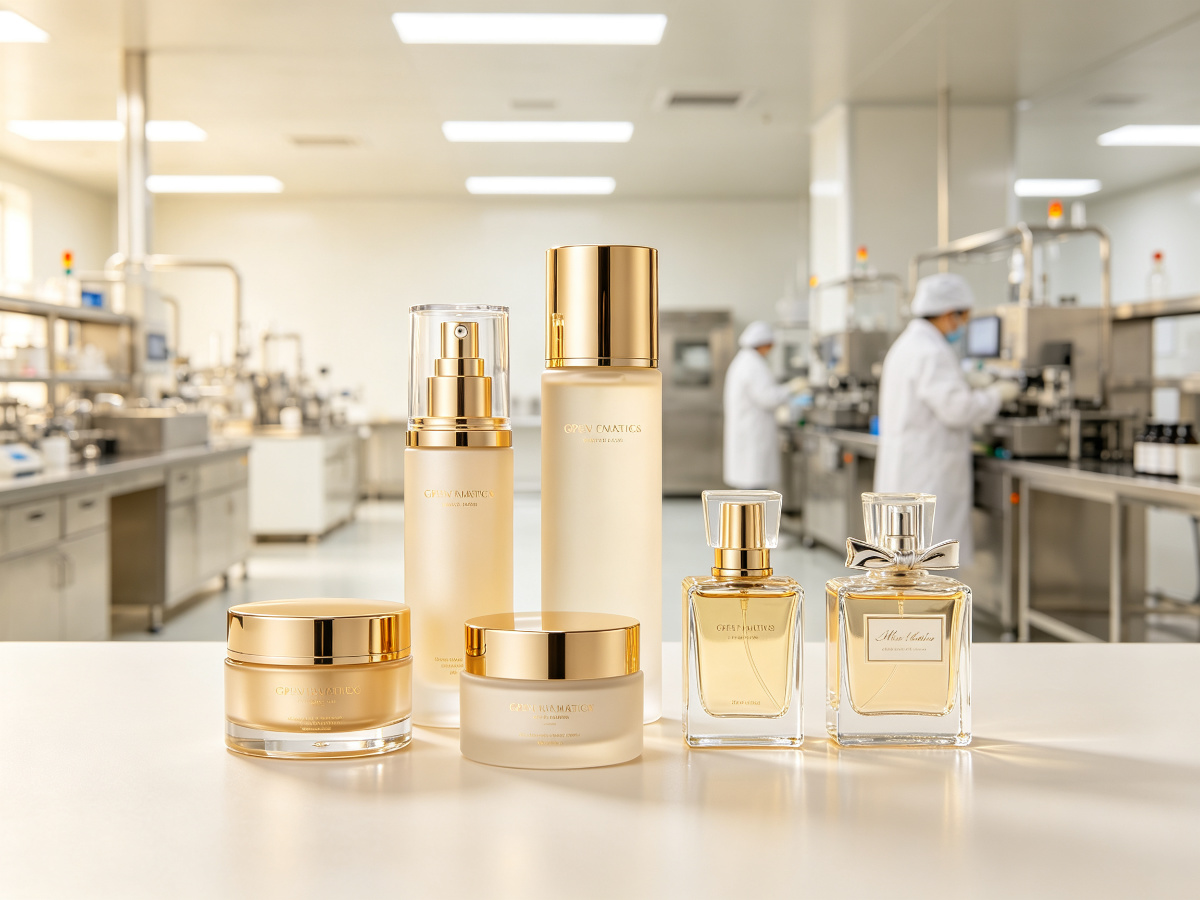
Why Private Label OEM Is Booming in 2026
The shift toward personalized beauty, clean ingredients, and rapid product cycles has made private label OEM more attractive than ever. Brands can now launch a full line of skincare, makeup, or hair care in as little as 90 days. According to industry data, over 60% of new indie beauty brands in North America and Europe rely on contract manufacturers for their first production run. The right OEM partner provides formulation, filling, packaging, and regulatory support—all under one roof. That's why identifying which cosmetics OEM offers private label with the right capabilities is a strategic decision, not just a purchasing one.
Key Factors to Evaluate When Choosing a Private Label OEM
Before you shortlist suppliers, understand the core criteria that separate top-tier manufacturers from the rest.
1. Product Category Expertise
Not every OEM excels in every category. If you're launching a hair care line, you need a best cosmetics OEM for hair care—one with experience in surfactants, conditioning agents, and scalp-friendly formulations. For color cosmetics, look for expertise in pigment dispersion, long-wear technology, and shade matching. Perfume requires a different skill set: fragrance blending, alcohol-based filling, and leak-proof packaging. Ask for sample formulations and case studies in your specific category.
2. Certifications and Compliance
International brands must meet varying regulatory standards. At minimum, your OEM should hold ISO 22716 (Good Manufacturing Practices for cosmetics) and GMP certification. For the U.S. market, FDA registration is essential. For Europe, you'll need a Responsible Person and compliance with EC No. 1223/2009. A cosmetics OEM supplier for international brands will have these certifications and can provide documentation for customs and regulatory filings. Don't accept verbal assurances—request copies of certificates and audit reports.
3. MOQ and Lead Times
MOQs vary widely. For skincare and hair care, typical MOQs range from 1,000 to 5,000 units per SKU. Color cosmetics like lipstick or mascara often start at 3,000 to 10,000 units due to mold and filling setup. Perfume MOQs can be as low as 500 units for stock bottles, but custom molds push it to 10,000+. Lead times: 30–45 days for stock formulas, 60–90 days for custom development. Plan your first order based on realistic sales forecasts—overordering ties up cash; underordering risks stockouts.
4. Formulation and R&D Capabilities
Do you need a custom formula or can you use a stock base? A full-service OEM offers both. Custom development typically costs $5,000–$20,000 and takes 4–8 weeks. Stock formulas are faster and cheaper but less differentiated. If you want exclusivity, ensure the OEM grants you exclusive rights to the formula for a defined period.
5. Packaging and Decoration
Packaging can make or break your brand. Top OEMs offer in-house decoration: silk screening, hot stamping, labeling, and shrink wrapping. They also have relationships with bottle, jar, and tube suppliers, which can reduce your sourcing headache. Ask about their minimum order quantities for custom packaging—sometimes the packaging MOQ is higher than the formula MOQ.

How to Verify Cosmetics OEM Factory Quality
Verification is critical. Here's a step-by-step approach:
- Request an audit report: Third-party audits (e.g., SGS, Intertek) provide unbiased insight into factory conditions.
- Schedule a virtual or in-person tour: Look for clean rooms, organized production lines, and proper PPE usage.
- Check batch records: Ask to see sample batch production records to confirm traceability.
- Test samples: Order samples and send them to a third-party lab for stability and microbiological testing.
- Ask for references: Speak with existing clients about their experience with quality consistency and communication.
For a deeper dive, see our guide on How to Choose Between Cosmetics OEM and ODM.
Leading Cosmetics OEM Manufacturers Worldwide: What Sets Them Apart
The leading cosmetics OEM manufacturers worldwide share several traits: they invest in R&D, maintain multiple certifications, offer flexible MOQs, and provide end-to-end project management. They also have a global footprint—either through multiple facilities or strong logistics partnerships. When evaluating suppliers, consider their capacity to scale with you. A manufacturer that handles 1,000 units today should be able to handle 100,000 units in two years without compromising quality.
At wyoem, we've built our reputation on these principles. As a China-based OEM/ODM manufacturer, we serve brands in over 50 countries, offering private label services for perfume, skincare, makeup, and personal care. Our facility is ISO 22716 and GMP certified, and we provide full regulatory support for FDA and EU compliance. Whether you're a startup or an established brand, we tailor our MOQs and lead times to your needs. Visit our Home page to learn more.
Common Mistakes When Selecting a Private Label OEM
Even experienced buyers make mistakes. Avoid these pitfalls:
- Choosing on price alone: The cheapest quote often hides costs in packaging, testing, or shipping. Focus on total landed cost.
- Ignoring regulatory requirements: A formula that's compliant in Asia may not be compliant in the EU. Ensure your OEM understands your target market's regulations.
- Skipping sample testing: Always test samples for stability, skin feel, and compatibility with your packaging.
- Not signing a comprehensive contract: Protect your intellectual property, exclusivity, and quality standards in writing.
- Underestimating lead times: Factor in Chinese New Year, summer holidays, and shipping delays. Build a buffer.
For a smooth launch, especially if you're selling on Amazon, read our article on Launching Your Beauty Brand on Amazon in 2026.
Questions to Ask Potential OEM Suppliers
When you contact suppliers, ask these questions to separate the best from the rest:
- What are your MOQs for my specific product category?
- What certifications do you hold, and can you provide copies?
- Do you offer custom formulation? What is the cost and timeline?
- What is your typical lead time for stock vs. custom formulas?
- Can you handle packaging sourcing and decoration?
- What is your process for quality control and batch testing?
- Do you have experience exporting to my target market?
- Can you provide references from similar brands?
- What are your payment terms?
- How do you handle intellectual property and exclusivity?
If you're still exploring options, our article Where to Get Cosmetics OEM Services Online provides a comprehensive list of platforms and directories.
Niche Focus: Perfume and Makeup Private Label
Perfume private label is a specialized niche. You'll need an OEM with fragrance compounding expertise, alcohol permits, and leak-proof filling lines. MOQs for stock bottles can be 500–1,000 units, but custom bottles require 10,000+ units. For makeup, lipstick and foundation programs often require shade-matching services and mold investment. Mascara requires specialized filling equipment for wands and tubes. If you're targeting TikTok Shop, our guide on TikTok Shop-Driven Beauty Brand Growth: offers insights on choosing an OEM for viral products.
Conclusion: Making the Right Choice
So, which cosmetics OEM offers private label that truly fits your brand? The answer depends on your product category, target market, budget, and timeline. Prioritize manufacturers with relevant certifications, transparent MOQs, and a proven track record. Verify factory quality through audits and sample testing. And don't underestimate the value of a partner who can scale with you. For personalized guidance, explore our Knowledge Center or Contact Us directly. With the right OEM, your beauty brand can go from concept to shelf in months, not years.
For product catalog, quotation, or sampling, please contact us
Contact: SIGE
Email: 27005046@qq.com
WhatsApp / WeChat: +86 15622220825
Website: www.wyoem.com | Main site: www.8OEM.com