How to Evaluate a Cosmetics Private Label Factory: A 2026 Buyer's Guide
Finding the right cosmetics private label factory is one of the most critical decisions for any beauty brand. Whether you're a startup launching your first product or an established brand expanding your line, your manufacturing partner directly impacts product quality, speed to market, and profitability. With thousands of suppliers worldwide—especially in China, South Korea, and Europe—the selection process can feel overwhelming. This guide breaks down exactly what to evaluate, the questions to ask, and the pitfalls to avoid when choosing a manufacturing partner in 2026.
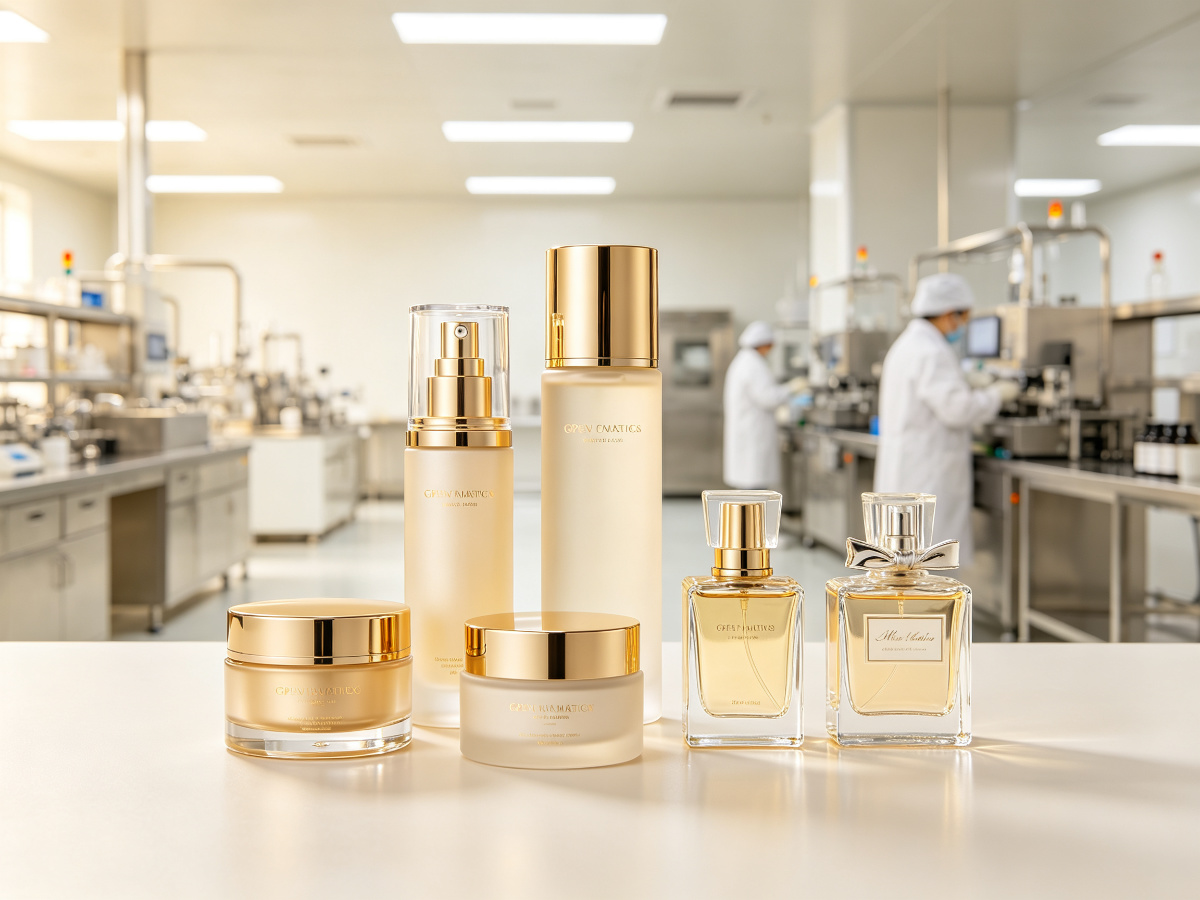
Why the Factory You Choose Defines Your Brand
Your manufacturer doesn't just fill bottles—they influence formulation stability, packaging compatibility, regulatory compliance, and even your brand's reputation. A poor partner can cause delays, quality issues, or regulatory rejections that damage customer trust. Conversely, a strong cosmetics private label factory can help you innovate faster, reduce costs, and navigate complex markets like the EU, US, and Southeast Asia.
At wyoem, we've helped hundreds of brands launch skincare, makeup, and perfume lines. The difference between a smooth launch and a costly failure often comes down to the due diligence covered in this guide.
Key Factors to Evaluate in a Cosmetics Private Label Factory
1. Certifications and Compliance
Certifications are non-negotiable. At minimum, your factory should hold:
- ISO 22716 (Good Manufacturing Practices for cosmetics)
- GMP (Good Manufacturing Practice) compliance
- FDA registration (for US market)
- ISO 9001 (quality management)
- Additional certifications like ECOCERT, COSMOS, or cruelty-free certifications depending on your positioning
Always request copies of certificates and verify their validity. A factory that hesitates to share documentation is a red flag.
2. Formulation Capabilities and R&D
Does the factory offer custom formulation, or only stock recipes? A true skincare custom formulation manufacturer will have an in-house R&D team, stability testing capabilities, and the ability to tweak textures, actives, and preservative systems. If you're launching a unique product—like a bakuchiol serum or a microbiome-friendly moisturizer—you need a partner who can develop it from scratch.
3. MOQ and Pricing Structure
Minimum Order Quantities (MOQs) vary widely. For skincare, typical MOQs range from 1,000 to 5,000 units per SKU. For makeup, MOQs can be higher (5,000–10,000 units) due to mold costs. Perfume MOQs often start at 1,000–3,000 units. Pricing depends on:
- Formula complexity (active ingredients, botanicals)
- Packaging type (airless pumps, glass droppers, custom molds)
- Order volume
- Certifications and testing requirements
Be wary of factories that quote unusually low prices—they may cut corners on ingredients or testing.
4. Lead Times and Production Capacity
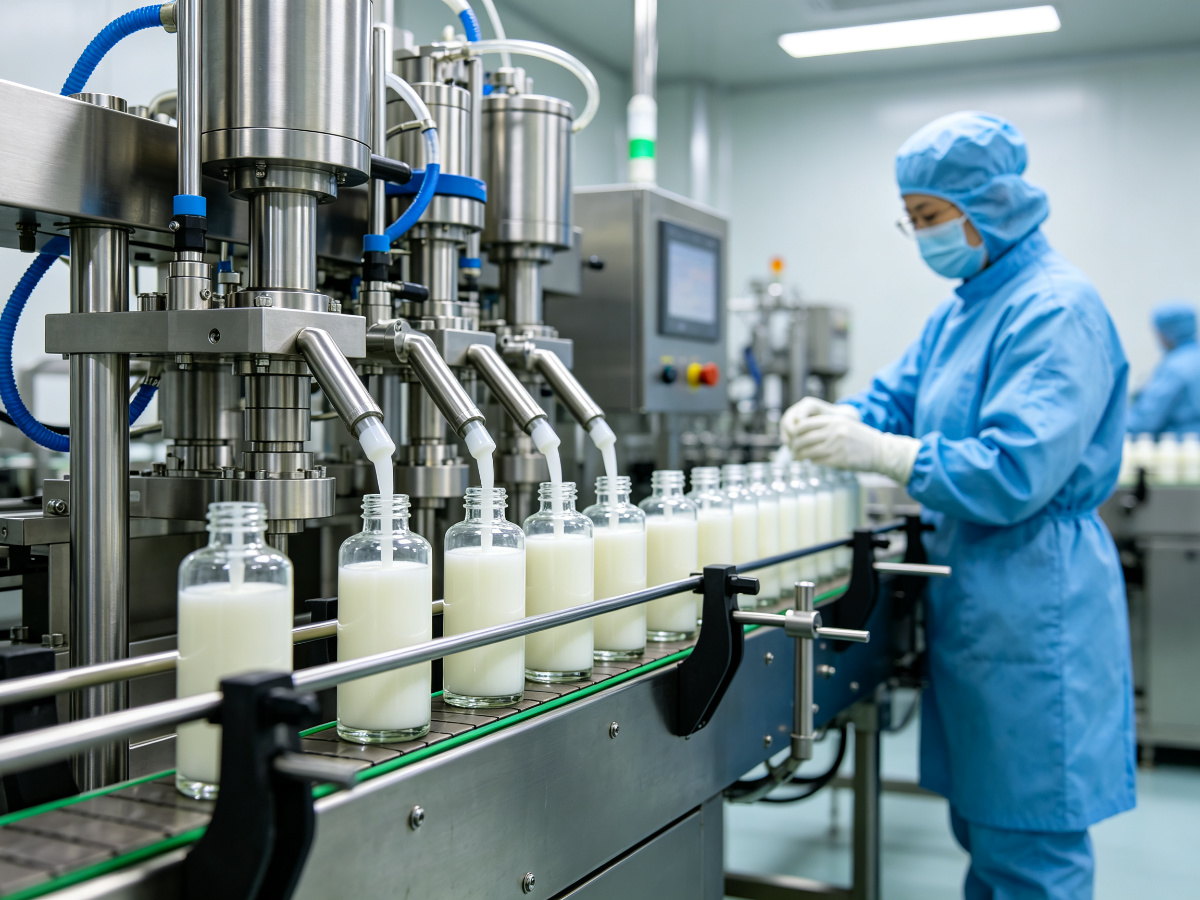
Standard lead times for private label cosmetics are 30–60 days after sample approval and deposit. Custom packaging can add 15–30 days. During peak seasons (Q3–Q4), lead times may extend. Ask about their monthly capacity and whether they outsource any steps—outsourcing can introduce delays and quality risks.
5. Packaging and Decoration Services
Many factories offer packaging sourcing and decoration (screen printing, hot stamping, labeling). If they don't, you'll need to coordinate with a separate supplier, which adds complexity. A full-service cosmetics contract manufacturing partner should handle filling, assembly, and primary packaging at minimum.
How to Choose the Right Partner: A Step-by-Step Approach
Step 1: Define Your Product Brief
Before contacting factories, outline your product category, target market, desired claims (e.g., vegan, hypoallergenic), packaging preferences, and budget. This clarity speeds up sampling and prevents misalignment.
Step 2: Shortlist and Vet
Use industry directories, trade shows (like Cosmoprof), and referrals. For a deeper dive, see our guide on How to Select a Skincare Private Label M. Check certifications, request samples, and review their client portfolio.
Step 3: Request Samples and Test
Never skip sampling. Test for texture, scent, stability, and packaging compatibility. Ask for stability and compatibility test reports.
Step 4: Evaluate Communication and Project Management
Responsiveness is a key indicator. A factory that takes days to reply during the inquiry stage may be even slower during production. Ensure they have a dedicated project manager and clear timelines.
Step 5: Negotiate Terms and Contracts
Clarify payment terms (usually 30–50% deposit, balance before shipment), quality guarantees, and penalties for delays. Get everything in writing.
Common Mistakes Brands Make When Selecting a Factory
- Choosing solely on price: Low quotes often mean lower-quality ingredients or hidden costs.
- Ignoring MOQ constraints: Overordering can tie up cash; underordering may not be possible.
- Skipping regulatory checks: Ensure the factory can provide documentation for your target market (e.g., EU CPNP, US FDA).
- Not visiting or auditing: If possible, visit the factory or hire a third-party auditor.
- Overlooking packaging compatibility: A great formula can fail if the packaging doesn't protect it.
Questions to Ask a Potential Cosmetics Private Label Factory
- What certifications do you hold, and can you provide copies?
- Do you offer custom formulation? What is your R&D process?
- What are your MOQs for my product category?
- What are your standard lead times?
- Can you handle packaging sourcing and decoration?
- What testing do you perform (stability, microbiological, challenge)?
- Who are your existing clients, and can you share references?
- What are your payment terms and quality guarantees?
- How do you handle regulatory compliance for my target market?
- What is your process for handling quality issues or recalls?
For more insights on industry trends, explore our Knowledge Center.
Leveraging Technology and Trends in 2026
The beauty industry is evolving rapidly. AI-driven skin analysis is now being integrated into product development and retail. Factories that embrace these technologies can offer brands a competitive edge. Read our article on AI Skin Analysis Is Reshaping Beauty OEM to understand how this trend affects manufacturing. Additionally, for a broader perspective on choosing a manufacturer, see How to Choose a Skincare OEM Manufacture.
Conclusion: Building a Successful Partnership
Selecting the right cosmetics private label factory is a strategic decision that requires thorough research, clear communication, and a focus on quality over cost. By following the steps outlined in this guide, you can avoid common pitfalls and establish a partnership that supports your brand's growth. Remember, the best factory is not just a supplier—it's a collaborator in your success. For personalized assistance, Contact Us today to discuss your project with wyoem's experts.
For product catalog, quotation, or sampling, please contact us
Contact: SIGE
Email: 27005046@qq.com
WhatsApp / WeChat: +86 15622220825
Website: wyoem.com